


Mineral Fertilizer vs Organic Fertilizer: Which Boosts Yield?
Walk into any serious agricultural input discussion — a co-op meeting in Kenya, a farm expo in Vietnam, a procurement call in Egypt — and the same debate surfaces. Mineral fertilizer vs organic fertilizer. Which one actually delivers results? Which makes financial sense at scale?
After more than a decade working alongside fertilizer plant operators across Sub-Saharan Africa and Southeast Asia, I’ve seen this question drive real decisions — and real mistakes. Understanding how mineral fertilizer vs organic fertilizer compares across key agronomic and production factors gives any serious operator a genuine edge.
What Exactly Are We Comparing?
Mineral fertilizers — also called synthetic or inorganic fertilizers — are manufactured through industrial chemical processes. They deliver concentrated, immediately available nutrients: nitrogen, phosphorus, potassium. Precision. Speed. Scalability.
Organic fertilizers derive from natural biological matter: animal manure, compost, crop residues, bone meal. Nutrients release gradually as microbes break down organic compounds. The soil biology gets fed alongside the crop. It’s a fundamentally different philosophy, and treating the mineral fertilizer vs organic fertilizer comparison as purely technical misses that point entirely.
When producers frame this as organic vs synthetic fertilizer, they often oversimplify. Both input types carry real value depending on crop type, soil condition, regional climate, and operational capacity. The mineral fertilizer vs organic fertilizer question is fundamentally about production strategy — not a binary verdict.
Nutrient Availability and Crop Response
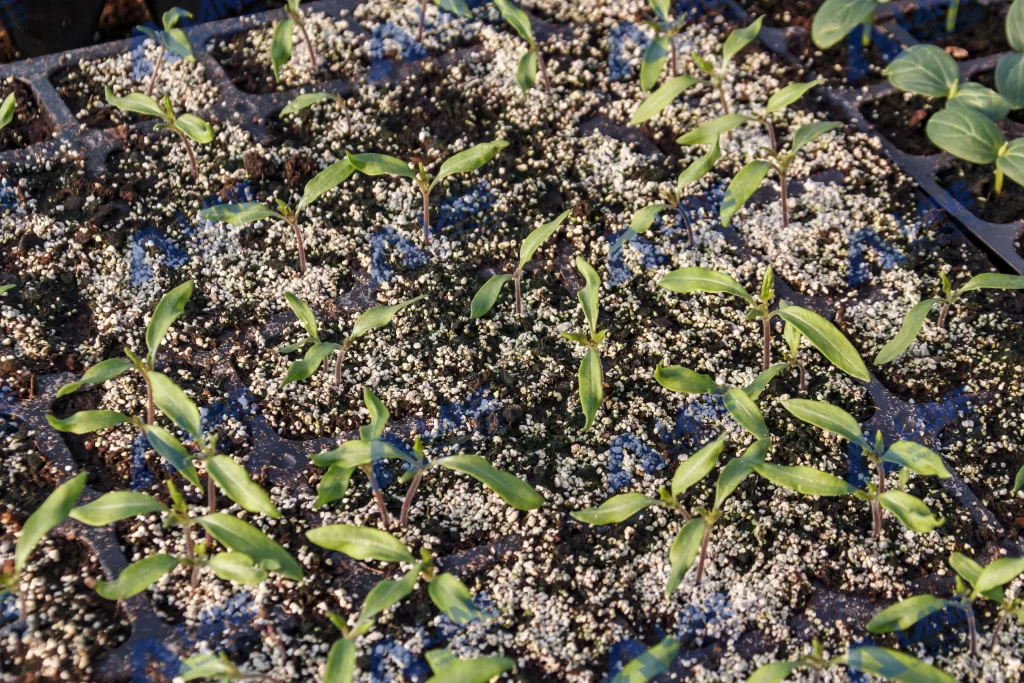
Mineral fertilizers act fast. Apply a urea-based nitrogen source before rainfall, and plant uptake follows within days. For high-intensity cash crops — maize, rice, sugarcane — that speed matters enormously during critical growth windows.
Organic fertilizers work differently. Nutrient release depends on microbial activity, temperature, and soil moisture. In cooler climates or dry seasons, decomposition slows considerably. From what I’ve seen in the field, farmers who switch entirely to organics without adjusting timing assumptions consistently under-feed crops during peak demand. That’s a yield penalty nobody plans for.
But here’s what the mineral-only camp often misses: long-term soil structure. Repeated synthetic applications without organic matter input degrade soil biology over time. Bulk density increases. Water retention drops. The land starts working against you. Any credible mineral fertilizer vs organic fertilizer analysis has to account for this trajectory.
Production Economics and Equipment Requirements
In the mineral fertilizer vs organic fertilizer conversation, production economics are always front and center. Both pathways require real infrastructure — and equipment decisions made early define your operational ceiling for years ahead.
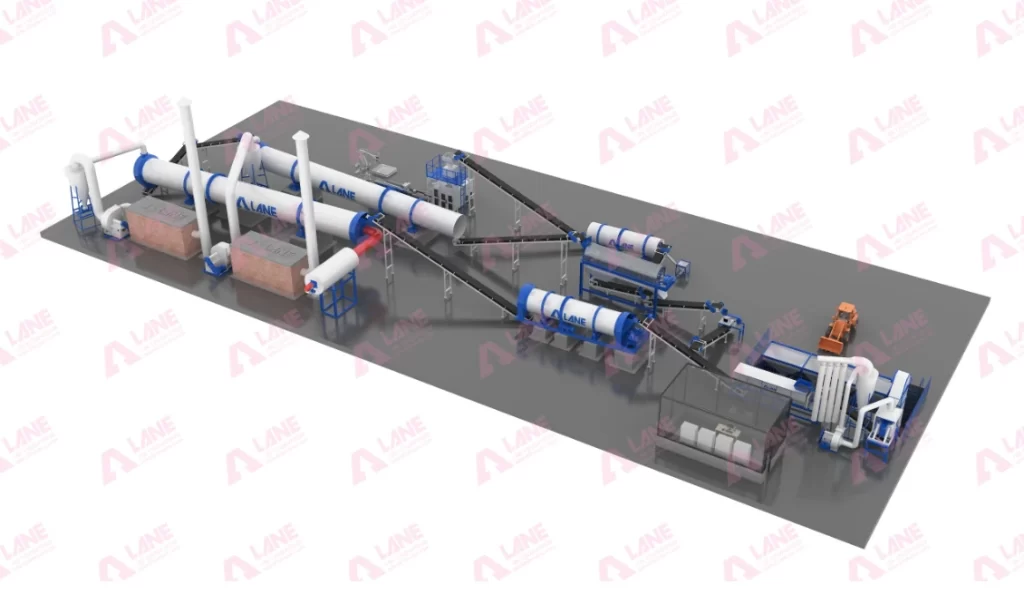
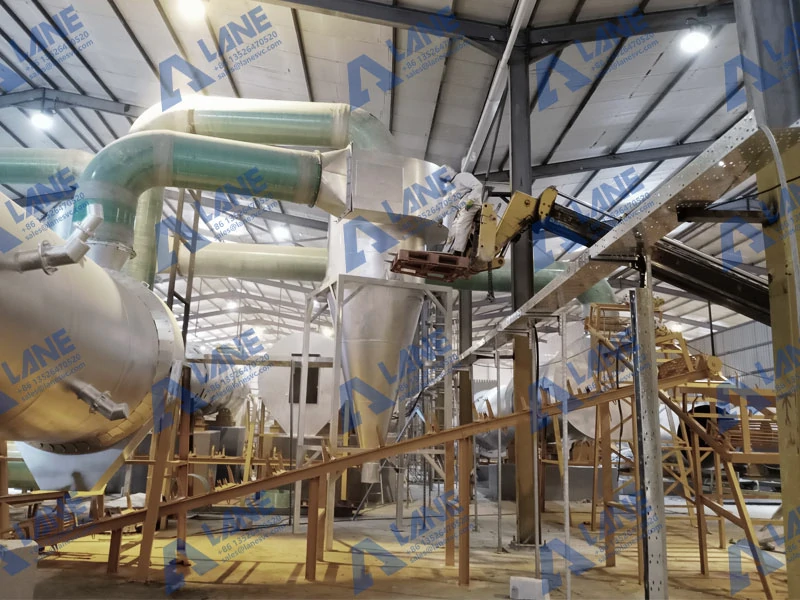
Mineral fertilizer production relies on high-output granulation and material processing systems. Core equipment for a standard production line includes:
- Rotary drum granulator— for high-volume NPK compound granulation
- Disc granulator— suited for smaller-batch or customized formulations
- Raymond mill— for fine grinding of phosphate rock and mineral inputs
- Rotary drum dryer— to reduce moisture content post-granulation
- Rotary drum cooler— for temperature stabilization before packaging
- Vibrating screen— for granule classification and consistent sizing
- Bag filter— for dust collection and environmental compliance
- Belt conveyor— for continuous material transfer across production lines
- Coating machine— to improve granule durability and prevent caking
Organic fertilizer lines share several of these components but additionally require composting systems — windrow turners, fermentation tanks, or enclosed tunnel setups — depending on raw material type and throughput.
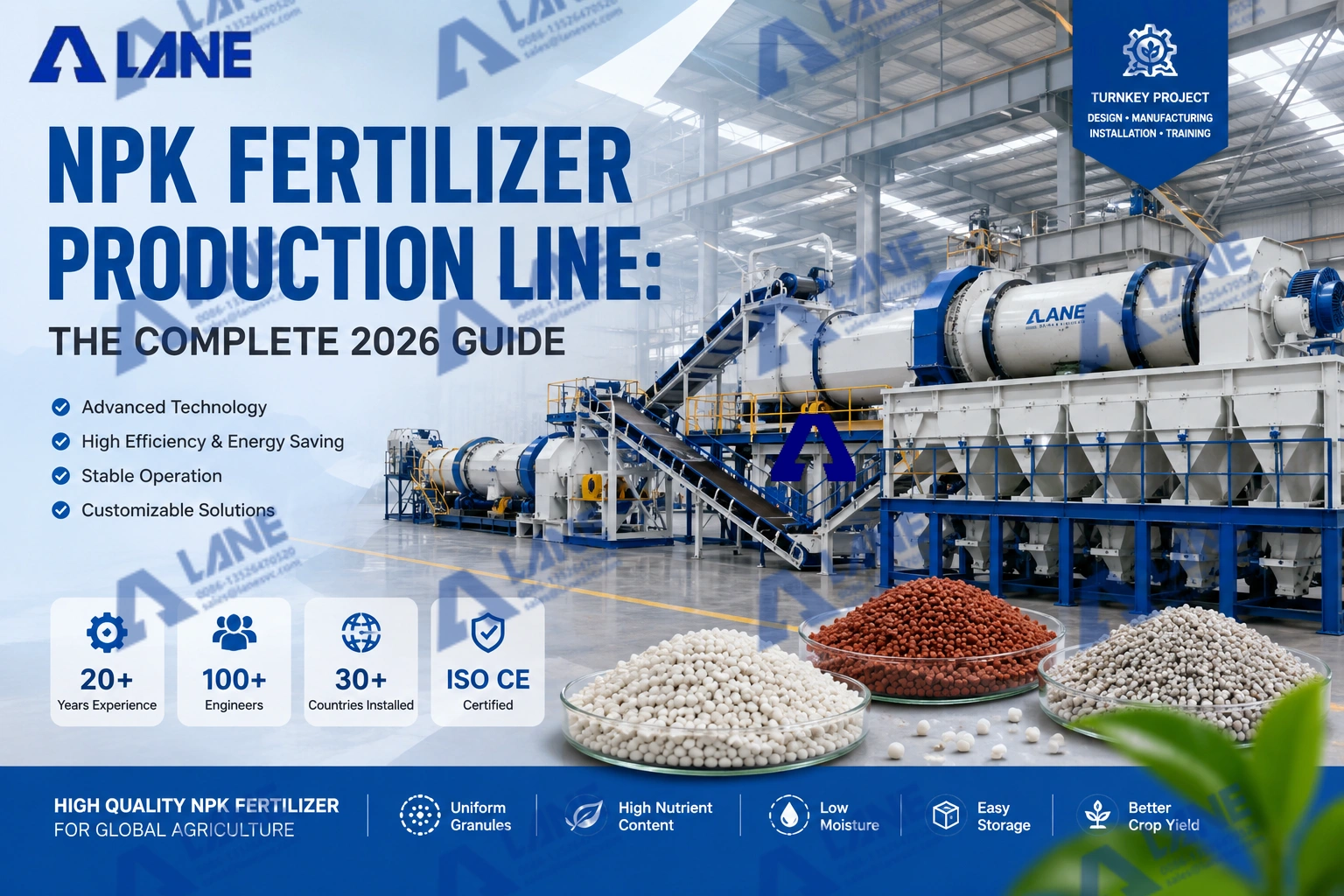
LANE, a large-scale fertilizer production equipment manufacturer headquartered in Henan, China, engineers complete mineral and organic processing lines for producers at various output scales. Working with a full-line manufacturer at the specification stage prevents costly redesigns later.
Soil Health Over the Long Term
This is where the organic vs synthetic fertilizer debate gets genuinely strategic — and where most comparisons fall short. Organic fertilizers build soil organic matter (SOM). Higher SOM means improved cation exchange capacity, better water retention, and richer microbial diversity. Across a five-to-ten-year production cycle, these translate into measurably reduced input costs.
Mineral fertilizers don’t build SOM. They’re transactional by design. Valuable — but in any serious mineral fertilizer vs organic fertilizer analysis, the long-term soil capital argument favors the organic side.
The most commercially successful operations I’ve worked with don’t choose sides. They run integrated nutrition programs: mineral fertilizers for in-season demand, organic matter for soil biology maintenance between cycles. The organic vs synthetic fertilizer binary is a false choice for serious producers. Examined honestly, the mineral fertilizer vs organic fertilizer comparison consistently points toward integration rather than elimination.
Matching Strategy to Your Operation
No universal answer exists. Soil type, crop variety, water access, market specifications, and capital budget all shape the right input strategy. A smallholder growing vegetables for local markets operates under entirely different parameters than an industrial plantation producer running fertilizer recycling at scale.
When evaluating mineral fertilizer vs organic fertilizer production options, the equipment configuration must match your specific raw materials, output targets, and market requirements — not a generic template.
Conclusion: Context Determines the Winner
The mineral fertilizer vs organic fertilizer debate has no clean universal answer. That’s actually useful information. It means the right choice is contextual — and operators who understand that context gain a real advantage over those who treat it as a simple either-or.
Fast-acting, scalable nutrient delivery? Mineral. Long-term soil health and organic certification pathways? Organic. Optimal commercial yields at industrial scale with sustained land productivity? A blended approach backed by matched equipment capacity. The organic vs synthetic fertilizer production path you choose should follow from your market position — not the other way around.
Whether you’re evaluating mineral or organic production lines — or a hybrid configuration — work with a manufacturer that understands the full picture. The equipment decisions you make now shape your output flexibility for the next decade.
FAQ
Q1: What is the core difference in the mineral fertilizer vs organic fertilizer comparison?
Mineral fertilizers are industrially manufactured and deliver nutrients immediately in concentrated, water-soluble forms. Organic fertilizers derive from biological material and release nutrients gradually through microbial decomposition. The key distinction is nutrient release speed, soil biology impact, and long-term land productivity.
Q2: Which fertilizer type produces higher crop yields?
Short-term yield response typically favors mineral fertilizers due to rapid nutrient availability. Long-term yield stability improves with organic inputs that sustain soil organic matter. High-output commercial operations often combine both across production cycles for optimal results.
Q3: Is organic fertilizer production cheaper than mineral fertilizer production?
Not necessarily. Organic raw materials are often lower-cost than synthetic inputs. However, organic processing requires longer cycle times — composting runs weeks to months — affecting throughput and cash flow. Mineral lines produce faster but at higher upfront capital equipment cost.
Q4: What equipment is essential for processing organic fertilizer?
Core equipment includes compost turners or fermentation systems, crushing mills, granulators (disc or rotary drum type), rotary dryers, vibrating screens, and packaging lines. The configuration depends on raw material type and target granule specification.
Q5: Can mineral and organic fertilizers be produced on a blended line?
Yes. Hybrid production configurations let operators run both input types on compatible equipment. This preserves commercial flexibility when market demand or raw material availability shifts — increasingly common in emerging export markets across Africa and Southeast Asia.
Q6: How do I decide between mineral and organic fertilizer production?
Evaluate raw material access, target market requirements, desired output volume, and available capital. The organic vs synthetic fertilizer production decision comes down to market positioning, feedstock supply chain, and operational timeline. Consulting a full-line equipment manufacturer at the planning stage helps match the right configuration to your actual business model.
For more details, please feel free to contact us.
Henan Lane Heavy Industry Machinery Technology Co., Ltd.
Email: sales@lanesvc.com
Contact number: +86 13526470520
Whatsapp: +86 13526470520

Send a message to us