


Zinc-Coated Urea and SSP Production Line: A Buyer’s Guide for Fertilizer Manufacturers
If you are evaluating a zinc-coated urea and SSP production line, you are deciding how much capital to commit, which process routes to trust, what your operating cost per ton will look like in year three, and whether your supplier can actually commission the plant. Those decisions separate a profitable fertilizer facility from an expensive lesson.
This guide is written for fertilizer manufacturers, plant investors, engineers, procurement managers, and project contractors. It covers the market case for both products, process design, equipment selection, investment and operating costs, maintenance, supplier evaluation, and the questions most buyers forget to ask. The goal is to help you make a defensible technical and commercial decision rather than a price-driven one.
By the Engineering Team at LANE Machinery. LANE Machinery (Henan Lane Heavy Industry Machinery Technology Co., Ltd.) designs and commissions fertilizer production lines for clients in more than 50 countries and holds ISO 9001 and CE certification. Last updated: August 2026.
Why Both Product Lines Deserve a Place in Your Portfolio
Zinc-coated urea and SSP look like different businesses at first glance. One is a nitrogen fertilizer with a micronutrient coating. The other is a straight phosphate fertilizer produced by acidulating rock. But on a factory floor, they share more than people expect: material handling, granulation options, drying and cooling, screening, packaging, dust control, and the same engineering discipline around process stability and product consistency.
The agronomic case for zinc-coated urea
Zinc deficiency is one of the most widespread and frequent micronutrient deficiency problems in crop production worldwide, particularly in soils with low available zinc and in cereal-based cropping systems. The IFA/IZA reference work Zinc in Soils and Crop Nutrition documents this problem across major producing countries, which is why zinc has moved from a specialty input to a mainstream formulation decision.
Coating urea with a zinc source delivers nitrogen and zinc in one application. Major producers treat it as a commercial product: SABIC markets zinc-coated urea to address zinc deficiency across soil types, and specialist companies now offer on-site urea coating services. For a manufacturer, the commercial logic is straightforward: a coated product carries higher value per ton, differentiates you from commodity urea suppliers, and lets you enter the micronutrient segment without building a separate chemical plant.
The commercial case for SSP
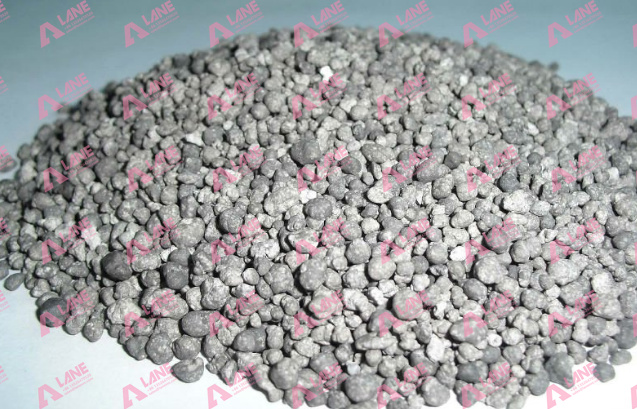
Single superphosphate was the first commercial mineral fertilizer and still delivers phosphorus, sulfur, and calcium in one product. It is made by reacting finely ground phosphate rock with sulfuric acid, and the process is mature, well documented, and comparatively simple to operate. Typical products contain roughly 16 to 22% available P2O5 depending on rock grade and process design.
SSP is competitive in markets with acidic or phosphorus-deficient soils, in price-sensitive segments, and as a phosphorus source for blended or granulated compound fertilizers. SSP plants generally require lower capital and less complex operation than TSP, DAP, or phosphoric acid routes. The IPNI 4R Plant Nutrition Manual and the Profercy market reference both provide useful context on its agronomic and commercial role.
Why one facility can serve both markets
A combined facility lets you balance two demand cycles. Zinc-coated urea sells into the premium nitrogen and micronutrient market; SSP sells into the volume phosphate market. Shared utilities, maintenance teams, laboratory capacity, and management overhead improve asset utilization, and the product portfolio can include straight products, coated nitrogen, and SSP-based blends.
There is also a regulatory dimension. If you export to the European Union, products must meet Regulation (EU) 2019/1009, including contaminant limits and labeling. Planning both lines with the same compliance mindset reduces the cost of market access later.
What to Know Before You Design the Facility
Before comparing quotes, define the project in commercial terms. The most common mistakes happen upstream: wrong capacity, a product mix the market does not need, or raw materials the process cannot handle economically.
- Target markets and product mix. Decide whether you sell domestic, export, or both. Zinc-coated urea is often premium; SSP competes on delivered cost per ton of P2O5.
- Capacity. SSP lines are commonly engineered from 5 to 50 tons per hour; urea coating systems are often sized from a few to 15 tons per hour. Match capacity to realistic year-one utilization.
- Raw materials. For the urea line, you need consistent urea granules, a zinc source such as zinc sulfate or zinc oxide, and suitable binder or spray systems. For SSP, the critical inputs are phosphate rock grade, sulfuric acid quality and supply, and process water.
- Utilities and site constraints. Drying, cooling, and acidulation need specific power, water, steam, and ventilation. Acid storage, curing area, product storage, and expansion space must be planned from day one.
- Environmental controls. Both lines need dust collection; SSP also needs acid mist and fluoride gas treatment.
How a Zinc Coated Urea Production Line Works
A zinc coated urea production line is built around the coating machine, but its success depends on the whole system around it. The process has to start with consistent urea granules and end with a product that stores, handles, and releases predictably.
Process steps
- Urea preparation and screening. Granules are screened and conditioned to remove fines and oversized particles. Uniform size is the foundation of uniform coating.
- Surface preparation. Urea is gently heated or conditioned so the coating adheres evenly. Temperature control matters: too much heat deforms granules, too little weakens adhesion.
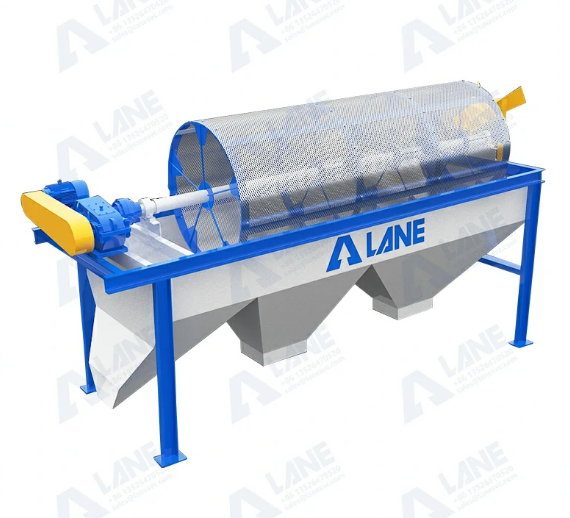
- Coating application. In a rotary drum coater, granules move in a continuous curtain while a zinc formulation is sprayed or dosed onto the surface. Binders control coating thickness. Some producers use fluidized bed coating for tighter coating weight control.
- Cooling and solidification. Coated granules pass through a cooling stage so the layer sets before handling.
- Final screening and packaging. Off-spec material is returned or reprocessed, and finished product is packaged with proper nitrogen and zinc labeling.
Core equipment and quality control
The main equipment list for a zinc coated urea production line typically includes:
- Urea receiving, conveying, and screening equipment
- Preheating or conditioning unit
- Rotary drum coating machine or fluidized bed coater
- Zinc dosing, spraying, and binder preparation system
- Cooling conveyor or cooler
- Final screening machine
- Dust collection system
- Automatic packaging machine
- PLC-based process control with dosing and temperature interlocks
Quality control should cover granule size, coating thickness, zinc content, moisture, caking tendency, and release behavior. The metrics that predict commercial success are coating uniformity and storage stability. Visually coated granules with inconsistent nutrient content will create customer complaints even if throughput looks good.
How a Single Superphosphate Production Line Works
A single superphosphate production line starts with phosphate rock and sulfuric acid, but the quality of the finished fertilizer depends on process control at every stage, from grinding fineness to curing time.
Process steps
- Phosphate rock crushing and grinding. Rock is crushed and milled to a fine, consistent powder so acidulation proceeds efficiently. Grinding fineness strongly affects conversion and P2O5 availability.
- Acidulation. Fine rock is mixed with sulfuric acid in a reactor or mixer. The reaction converts insoluble phosphate into water-soluble monocalcium phosphate and produces gypsum. Acid concentration, mixing, and temperature determine conversion efficiency.
- Curing. Reacted material cures for roughly two weeks to a month so the reaction completes. Inadequate curing leaves free acid and weakens physical quality.
- Crushing and screening. Cured SSP is broken up and prepared as powder or granulation feed.
- Granulation, drying, and cooling. For granular SSP, material is granulated, then dried and cooled to control moisture and temperature.
- Final screening and packaging. On-spec granules are packaged; fines and oversize are recycled.
Core equipment and quality control
The main equipment list for a single superphosphate production line typically includes:
- Phosphate rock crusher and ball mill or Raymond mill
- Sulfuric acid storage and dosing system
- Acid mixer/reactor with acid-resistant lining
- Curing system or curing area
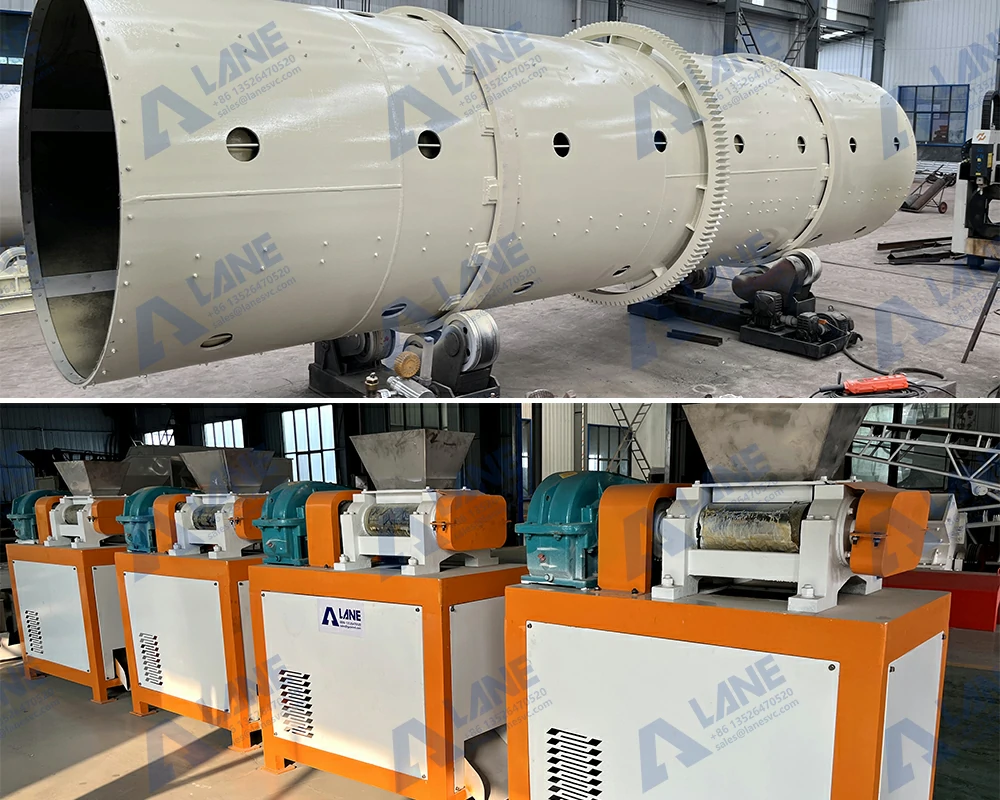
- Granulator (rotary drum, disc, or double roller)
- Dryer and cooler
- Screening machine
- Dust collection and acid mist scrubbing system
- Automatic packaging machine
- PLC-based control and monitoring system
Quality control focuses on available P2O5, free acid, moisture, granule strength, and nutrient consistency. Because phosphate rock varies by deposit, process design must match the rock you will actually use. The UNIDO/IFDC/FAO Fertilizer Manual and the Bradley Broadfield process are useful technical references.
Equipment Selection Strategy for a Dual-Product Facility
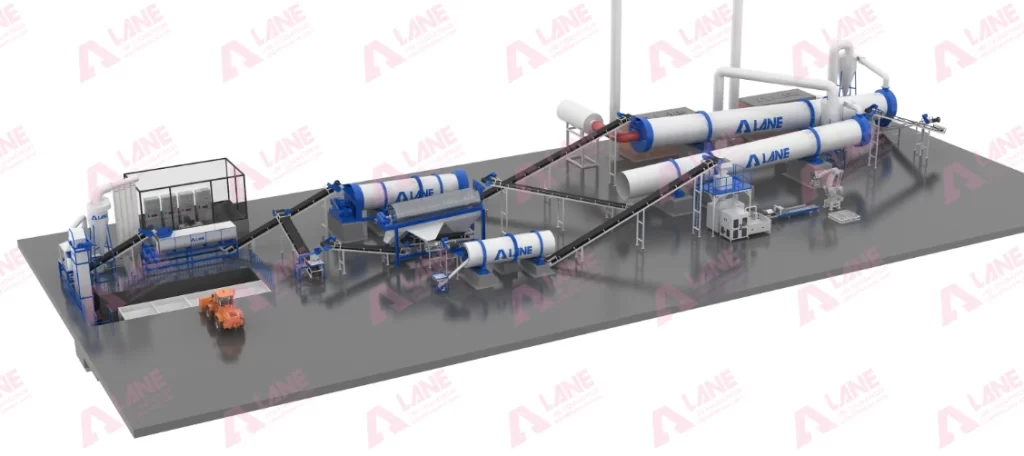
When you plan a combined plant, the highest-value decision is not which single machine to buy. It is how the two lines share infrastructure without compromising process control.
Conveying, screening, drying, cooling, packaging, dust collection, and compressed air can often be sized for phased expansion. The caveat is contamination control: urea and phosphate products must not cross-contaminate.
Product-specific equipment
The zinc coating system and the SSP acidulation/curing system should remain product-specific. Coating machines need precise spray and dosing control; SSP reactors need corrosion-resistant materials, acid handling safety, and gas treatment. Forcing both products through one generic granulation line usually creates quality problems in both.
Granulation technology comparison
| Technology | Best fit | Main trade-offs |
|---|---|---|
| Rotary drum granulator | Mid-to-large scale, wet granulation | Higher energy use for drying |
| Disc granulator | Small-to-mid scale, frequent grade changes | Lower capacity; more operator attention |
| Double roller extrusion | Dry, compact plants | Lower throughput; roller wear with abrasive feeds |
Material selection deserves attention. SSP service involves sulfuric acid, so reactors, mixers, and piping should use 316L stainless steel, rubber lining, or other acid-resistant materials. Urea coating lines need stainless contact surfaces where zinc solutions and binders are present. Automation is not a luxury: weighing, dosing, temperature, moisture, and coating rate should be monitored continuously, with remote monitoring where specialist support is limited.
Investment, Operating Costs, and Payback Realities
There is no universal price for a combined zinc-coated urea and SSP facility, because capacity, automation, raw materials, civil works, and local compliance all move the number. Separate capital from operating cost and pressure-test both.
Capital planning benchmarks
LANE’s published cost guide for phosphate fertilizer plants provides a practical planning frame: a small SSP/TSP facility in the 10,000 to 30,000 ton per year range is estimated at roughly $0.8 million to $3.5 million total investment, mid-range plants of 50,000 to 80,000 tons per year at $4 million to $9 million, and large industrial plants above $15 million. Equipment typically accounts for 40 to 60% of total project cost, and regional construction costs shift the picture substantially.
A urea coating line adds a separate, generally smaller capital layer. Treat any figure received before a formal engineering study as a planning benchmark, not a binding quote.
Where operating costs come from
Raw materials are usually the largest recurring cost on both lines. For SSP, phosphate rock and sulfuric acid dominate; for zinc-coated urea, urea and the zinc source dominate. Energy follows, especially when drying and cooling are involved. Maintenance, labor, packaging, and logistics come next.
Two operating decisions have outsized financial impact: raw material selection and utilization. A line designed around one phosphate rock will struggle if you switch deposits. A plant at 60% utilization will not recover its capital on schedule.
ROI expectations
Payback varies by market. LANE’s project guidance suggests mid-scale phosphate plants in high-demand markets often recover investment within four to seven years under normal operating conditions, with roughly 70% utilization in year one and improvement afterward. For a combined facility, the economics improve when the two lines share management, maintenance, and distribution.
Maintenance and Operations That Protect the Investment
The most expensive failure in fertilizer production is unplanned downtime during peak season. Preventive maintenance is the mechanism that keeps a plant at rated output.
- SSP line: inspect acid pipelines, reactor linings, mixer seals, and curing system airflow. Monitor free acid and check that scrubbers and dust collectors work.
- Zinc coating line: clean spray nozzles, dosing lines, and coating drums on schedule. Zinc residues affect coating consistency if left to build up.
- Shared systems: service screens, dryers, coolers, conveyors, and packaging machines per manufacturer recommendations. Keep spare parts for high-wear items.
- Operator training: operators need to understand why temperature, moisture, and coating rate matter. A trained operator catches quality drift early.
- Data and diagnostics: track energy per ton, granulation rate, coating pass rate, and downtime. LANE’s SSP line page highlights anti-caking design and remote diagnostics as ways to cut maintenance downtime.
How to Evaluate Suppliers and Avoid Procurement Mistakes
Equipment price is the least reliable way to compare suppliers. A line is only as good as its process design, fabrication quality, commissioning support, and after-sales response.
Checklist for supplier evaluation:
- Does the supplier design the process around your raw materials, or only sell a standard equipment list?
- Can they show comparable-scale projects with references you can contact?
- What is included in commissioning, operator training, and trial production?
- What is the spare parts policy and delivery time to your site?
- Are certifications such as ISO 9001 and CE actually in scope?
- Is equipment sized for recycle loads and future expansion?
- Does the proposal separate equipment, civil works, installation, freight, and commissioning?
Red flags include vague process guarantees, refusal to share a P&ID or layout, no in-house engineering, and pricing that ignores local conditions. As a reference point, LANE states it has supplied equipment for a 10,000 ton per year national fertilizer project in Africa and offers SSP lines from 5 to 50 tons per hour.
Frequently Asked Questions
What is zinc-coated urea?
Zinc-coated urea is standard urea with a zinc-containing coating applied to the granule surface. It delivers nitrogen and zinc in a single product, which helps address zinc deficiency while improving the efficiency and handling of nitrogen fertilization. SABIC’s commercial zinc-coated urea product is a practical example of the format.
Why would a manufacturer build a zinc-coated urea and SSP production line together?
The main reason is portfolio economics. The two products serve different crop and market segments, but they can share infrastructure, utilities, maintenance, and management. A combined line also gives producers flexibility to respond to seasonality and price changes in nitrogen versus phosphate markets.
How is zinc coated onto urea granules?
Urea granules are screened and conditioned, then moved through a rotary drum coater or fluidized bed where a zinc source is sprayed or dosed onto the surface. The coated granules are cooled, screened, and packaged. Coating uniformity and storage stability are the quality criteria that matter most.
What equipment does a zinc coated urea production line need?
A complete line needs urea screening and feeding equipment, a conditioning or preheating system, a coating machine, zinc dosing and spraying equipment, cooling, final screening, dust collection, automatic packaging, and process control. The coating machine is the core unit, but the supporting systems determine product quality.
What is SSP fertilizer and how is it made?
SSP is single superphosphate, a phosphorus fertilizer made by reacting finely ground phosphate rock with sulfuric acid. The reaction produces water-soluble monocalcium phosphate plus gypsum, giving the product phosphorus, sulfur, and calcium. SSP typically contains 16 to 22% available P2O5.
They can share utility systems, material handling infrastructure, packaging, and some granulation/drying/cooling capacity if contamination control is designed properly. The coating machine and the SSP acidulation/curing system should remain product-specific because their process requirements and corrosion profiles are different.
Is zinc-coated urea better than applying zinc sulfate separately?
Both approaches work, but they serve different distribution and agronomic models. Coated urea combines nitrogen and zinc in one granule, which simplifies application and can improve farmer adoption. Separate zinc sulfate application gives more control over zinc rate but adds a second handling and application step. The right choice depends on the crop system and market.
What should I ask before buying a fertilizer production line?
Ask about process design around your actual raw materials, comparable project references, commissioning scope, spare parts, training, certification, and after-sales response. Also ask for a clear breakdown of equipment, civil works, installation, freight, and commissioning so you can compare proposals on the same basis.
Conclusion and Next Steps
A well-designed zinc-coated urea and SSP production line can give a fertilizer manufacturer two complementary revenue streams with shared infrastructure and a stronger position in both the premium nitrogen and volume phosphate markets. The decisions that matter are commercial before they are technical: capacity, product mix, raw materials, and supplier capability.
Start with a process audit of your raw materials, a realistic demand forecast, and a cost model that includes commissioning, working capital, and the first year of operation. Then compare suppliers on process engineering and project references, not headline price. LANE’s engineering team can review your requirements and provide a line layout, equipment list, and commissioning plan.
Email: sales@lanesvc.com Phone/WhatsApp: +86 13526470520


Send a message to us