


Mineral Fertilizer Granulation Equipment: A Buyer’s Guide
Buying the wrong granulation equipment can cost a fertilizer producer months of downtime and hundreds of thousands of dollars in lost output. I’ve seen it happen more than once. After spending over a decade working directly with manufacturers across Southeast Asia, Africa, and the Middle East, I can tell you that the decision isn’t just about price — it’s about matching the right machine to your raw material, your throughput target, and your long-term production goals.
This guide breaks down what you actually need to know before investing in mineral fertilizer granulation equipment.
What Is Mineral Fertilizer Granulation Equipment?
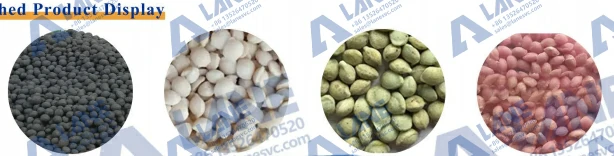
Granulation converts fine powder or slurry-form mineral nutrients into uniform, dust-free granules that are easier to handle, store, and apply. The mineral fertilizer granulation equipment used for this process spans a range of machine types, each suited to different formulations, capacities, and moisture conditions.
Core input materials typically include ammonium sulfate, single superphosphate, triple superphosphate, potassium chloride, potassium sulfate, and various NPK compounds. Each has distinct physical properties that influence which granulation method will actually work for your operation.
Core Equipment in a Granulation Production Line
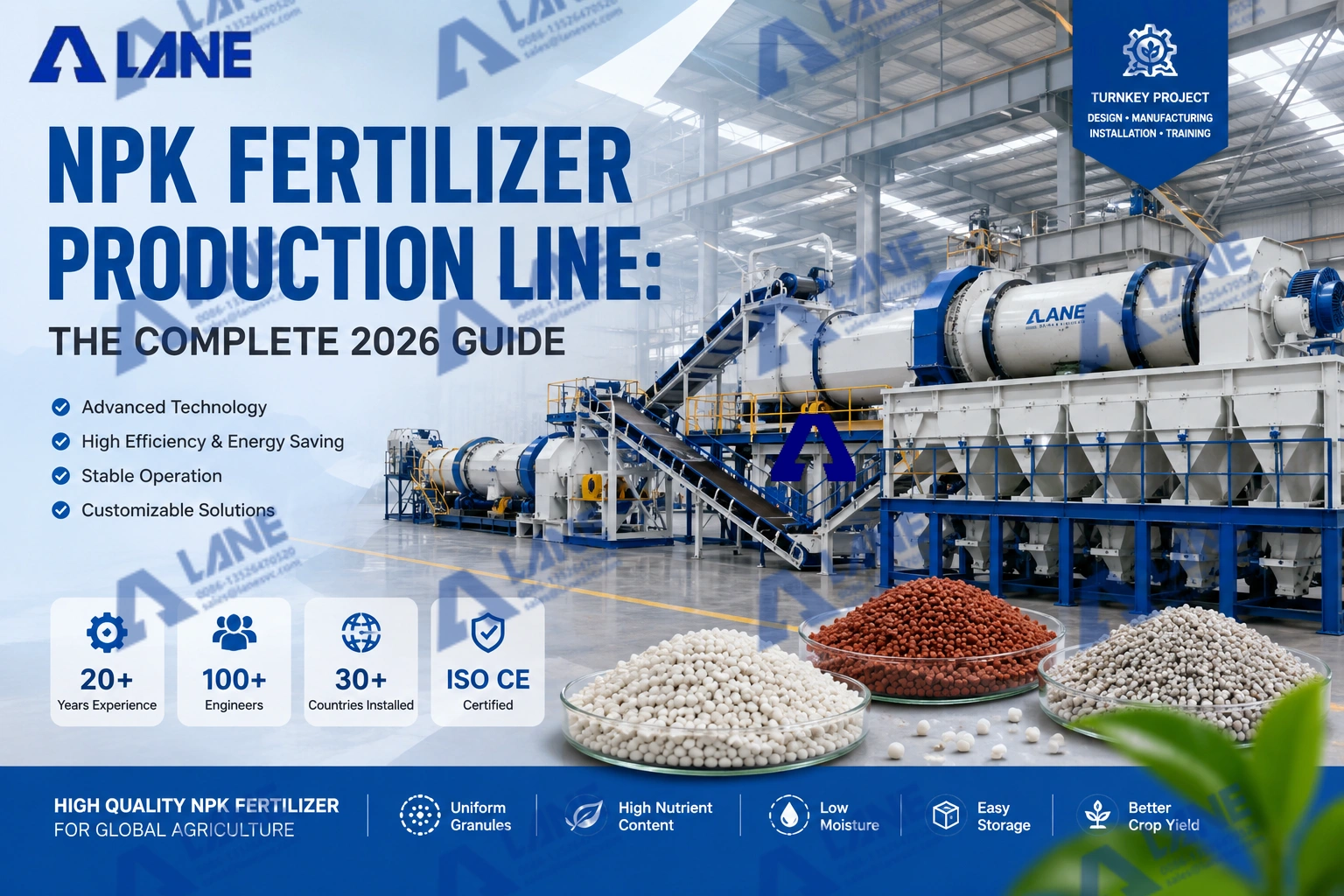
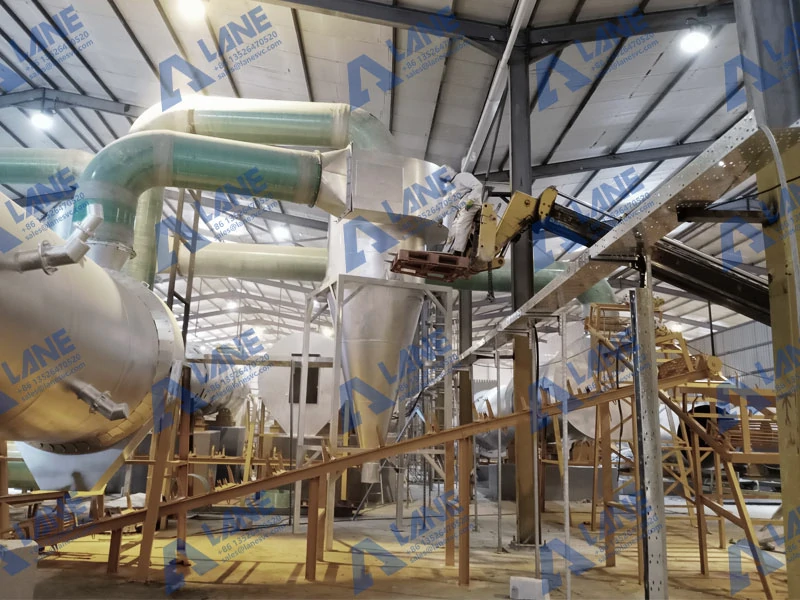
A complete mineral fertilizer granulation equipment system isn’t a single machine. It’s a coordinated production line. Here’s what you’re typically looking at:
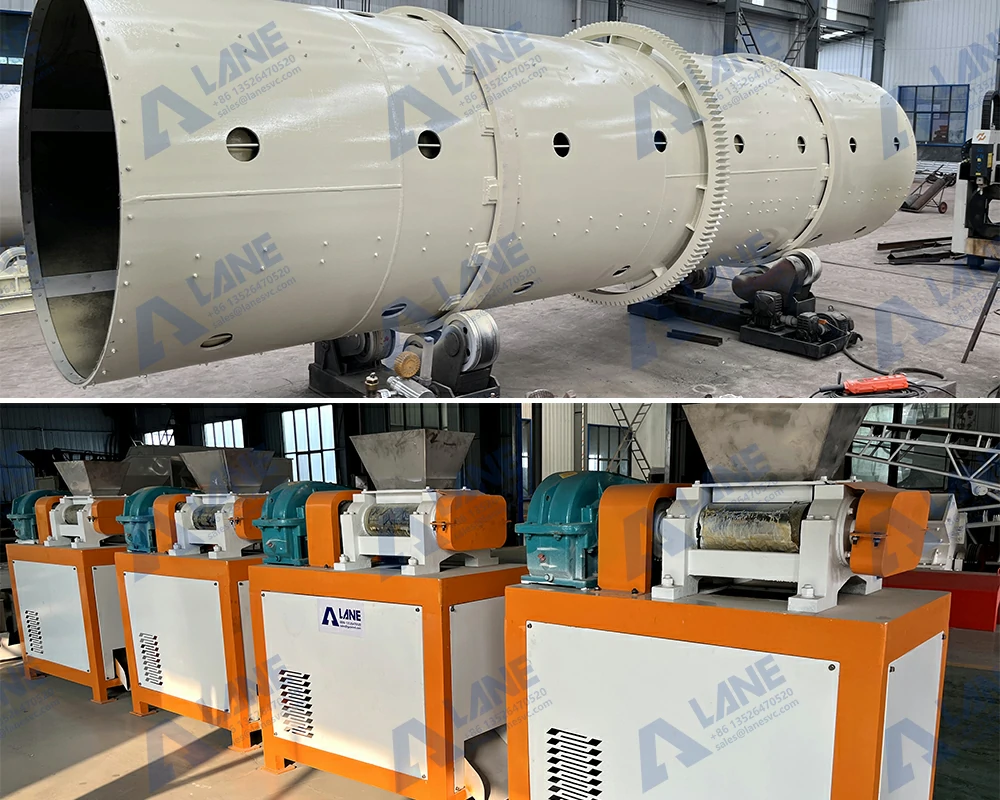
- Rotary drum granulator:The workhorse of large-scale NPK and compound fertilizer lines. Handles high moisture inputs well and delivers consistent granule size. Best for continuous, high-volume production.
- Disc granulator:More flexible for smaller batch sizes. Easy to adjust granule diameter on the fly. Commonly used with phosphate-based and organic-mineral blended inputs.
- Double roller granulator:No heat, no liquid binder needed. Ideal for chloride-sensitive materials like potassium sulfate. The dry granulation process suits producers who need low-energy operation.
- Drum drying system:Post-granulation moisture control. Non-negotiable for most mineral fertilizer products.
- Rotary screener:Separates on-spec granules from oversized or undersized material. Directly impacts final product uniformity.
- Belt conveyor system:Connects each stage. Gets overlooked in procurement planning — don’t skip proper sizing here.
- Automatic batching and weighing system:Critical for NPK ratio accuracy, especially where nutrient ratios must meet certification standards.
How to Match Equipment to Your Material
Here’s where a lot of buyers make their first mistake. They select a fertilizer granulator based on brand reputation or price alone, without accounting for the behavior of their raw material blend.
Ammonium-based compounds are hygroscopic — they absorb atmospheric moisture rapidly. A rotary drum granulator running in a humid coastal environment with ammonium nitrate inputs needs a very different dryer configuration than a line running monoammonium phosphate in an arid inland facility. To be honest, this is the part of the spec process where experienced process engineers earn their fees.
Always request a material test report before finalizing specs. Any credible supplier will run lab-scale granulation trials on your input materials. If they don’t offer this, that tells you something important.
Capacity Planning: Build in Headroom
The practical output range for most mineral fertilizer granulation equipment lines runs from 5 tons per hour on the smaller end to 50 tons per hour or above for large-scale industrial facilities. Do not purchase at the top of your projected capacity. Build in 15% to 20% headroom above your initial throughput target.
From what I’ve seen in the field, producers who commission lines exactly at their first-year target often find themselves running at overcapacity within 24 months — which accelerates equipment wear and forces premature reinvestment.
What to Evaluate When Comparing Suppliers
Set your evaluation criteria before you issue a single RFQ. Price matters, but it should come after these priorities:
Process compatibility — Does the supplier actually understand your input materials and their granulation behavior?
After-sales support — Where are spare parts warehoused? What’s the realistic lead time for a worn fertilizer granulator shell or drive shaft?
Commissioning experience — Have they installed comparable lines in similar environments, particularly in Sub-Saharan Africa or Southeast Asia, where infrastructure and climate differ significantly from European conditions?
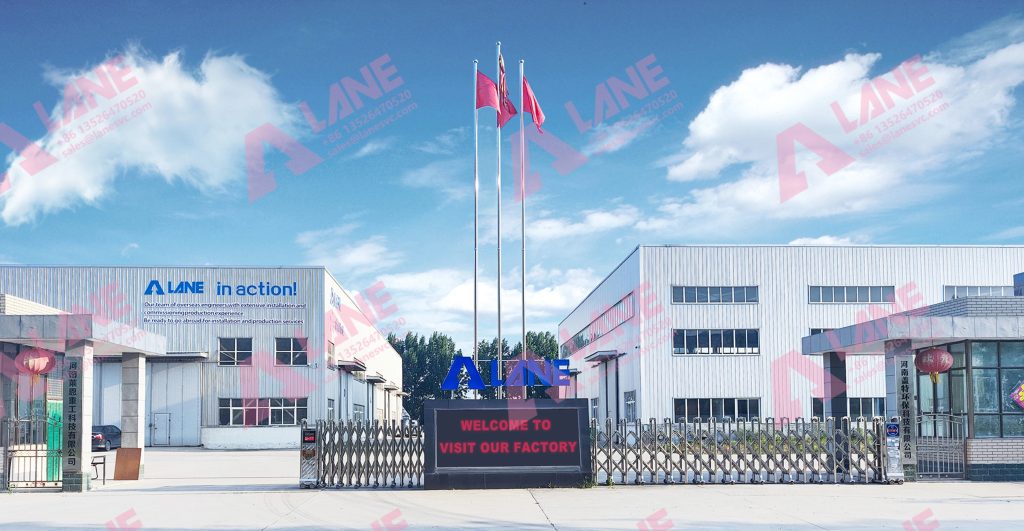
Equipment manufacturers like LANE have delivered large-scale mineral fertilizer granulation equipment projects for emerging market clients, including turnkey installation and on-site operator training. That commissioning depth matters more than most buyers initially realize.
Making the Final Decision
Let me tell you — the most expensive mistake in this category isn’t buying a machine that costs too much. It’s buying a fertilizer granulator that doesn’t match your production chemistry, then spending 18 months trying to retrofit it into something functional.
Nail the material specification first. Then capacity. Then supplier. In that order.
If your line is properly specified and installed by a supplier with verified project references, expect to reach stable production efficiency within 60 to 90 days of commissioning.
Conclusion
Investing in mineral fertilizer granulation equipment is a long-cycle decision — equipment that will run for 10 to 20 years. Getting the specification right at the outset means choosing the right fertilizer granulator type to material, sizing with realistic growth headroom, and selecting a supplier with genuine experience in your target market.
Contact LANE’s engineering team for a no-obligation consultation. We’ll review your raw material profile and production targets and recommend a granulation line built specifically for your conditions.
FAQ
Q1: What is the most commonly used mineral fertilizer granulation equipment type for large-scale NPK production?
The rotary drum granulator is the standard choice for large-scale NPK fertilizer lines. It handles high-throughput continuous production efficiently, tolerates varying moisture levels, and delivers consistent granule size with relatively low maintenance requirements.
Q2: What is the difference between wet and dry granulation for mineral fertilizer production?
Wet granulation uses liquid binders or steam to form granules, which requires a drying stage post-granulation. Dry granulation — typically using a double roller extrusion granulator — compacts materials mechanically with no added moisture. Dry granulation is preferred for moisture-sensitive or heat-sensitive inputs like potassium sulfate.
Q3: How do I calculate the required capacity for a mineral fertilizer granulation equipment line?
Start with your annual production target, then calculate hourly throughput based on planned operating hours. Add 15–20% headroom before finalizing equipment specs. This buffer accounts for maintenance downtime, demand peaks, and future growth.
Q4: What raw materials can a fertilizer granulator handle?
A properly configured fertilizer granulator can process ammonium sulfate, single superphosphate, triple superphosphate, muriate of potash, potassium sulfate, urea, and compound NPK blends. Equipment type and operating parameters must match the physical and chemical properties of your specific input blend.
Q5: How long does commissioning take for a new granulation line?
For a mid-scale line in the 10–30 t/h range, expect 30–60 days for mechanical installation and approximately 30 days for process stabilization. Factor in additional time if site utilities or foundation work are required before equipment arrival.
Q6: What maintenance is critical for granulation equipment in humid or tropical environments?
Humid conditions accelerate corrosion on drum shells, drives, and screens. Specify coated or stainless contact surfaces where moisture is high. Run weekly lubrication checks, monthly drive and belt inspections, and quarterly granulator liner wear measurements. Stock critical spare parts on-site — don’t rely on ordering them on demand
For more details, please feel free to contact us.
Henan Lane Heavy Industry Machinery Technology Co., Ltd.
Email: sales@lanesvc.com
Contact number: +86 13526470520
Whatsapp: +86 13526470520

Send a message to us