


Perlite Organic Fertilizer Production Line: Equipment & Process
Soil health is a massive talking point globally right now. Organic fertilizer producers are constantly looking for ways to improve their blends. One ingredient that has caught the attention of large-scale agricultural suppliers is expanded perlite. Commercial soil mixers and organic growers are heavily leaning into perlite fertilizer because it solves a huge problem: soil compaction. Setting up a commercial perlite organic fertilizer production line requires a deep understanding of both material properties and heavy machinery. It is not just about dumping two components together into a hopper; it is an engineered process that fundamentally changes how nutrients interact with plant roots.
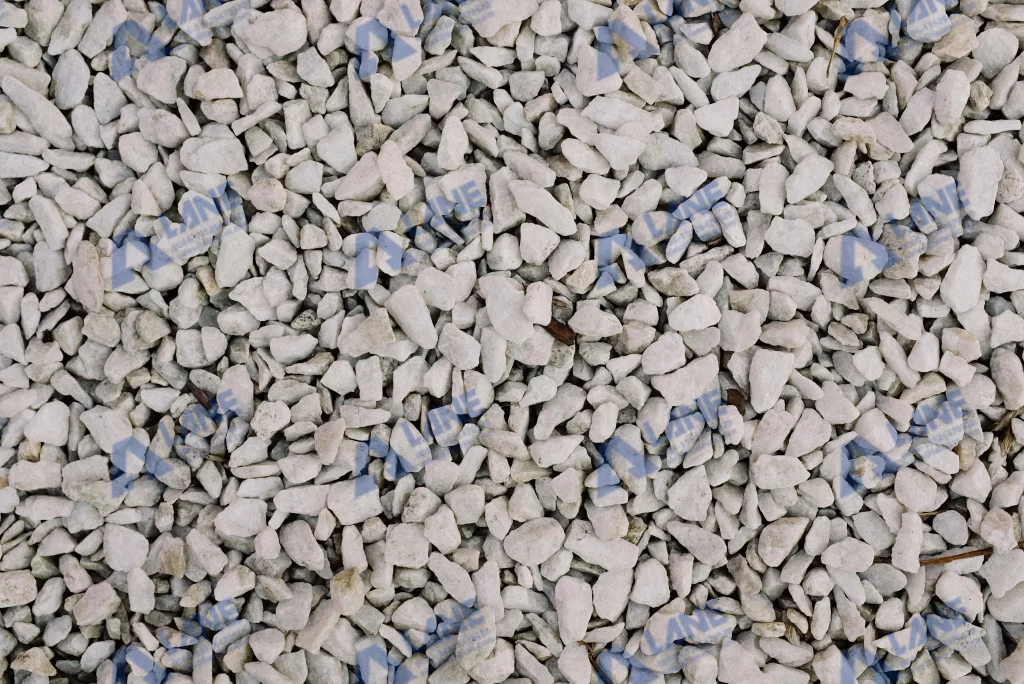
Why Blend Perlite with Organic Matter?
Why add volcanic glass to organic waste? Well, raw organic compost can become incredibly dense, sticky, and soggy when wet. When you add expanded perlite to organic compost, you create a superior perlite fertilizer that improves soil aeration, holds onto moisture without drowning roots, and prevents nutrient leaching. The microscopic cavities within the perlite store moisture and slowly release it alongside the organic nutrients. For commercial growers, this translates directly into faster root development, fewer soil-borne diseases, and significantly healthier crop yields.
The Core Workflow of the Production Line
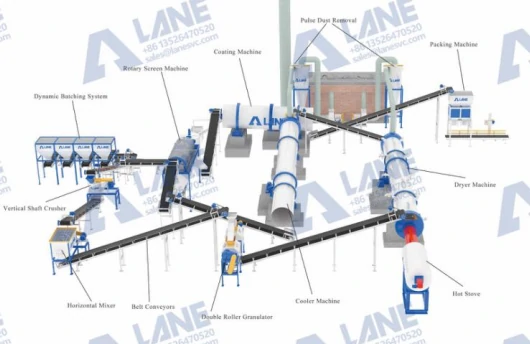
Let’s look at how this material flows through a modern factory. Managing the bulk density within a perlite organic fertilizer production line is critical because perlite is incredibly light compared to manure or plant cast-offs. If your raw material feed isn’t balanced right from the start, you will end up with highly inconsistent granules. The production process generally follows a precise, heavy-duty path: raw material crushing, proportional batching, intensive mixing, granulation, drying, cooling, screening, and automated packaging.
Core Equipment Needed for High-Yield Output
To get a premium product that satisfies strict retail standards, you need heavy-duty, reliable machinery. Here are the core single machines required to run a high-performing perlite organic fertilizer production line:
Vertical Fertilizer Crusher: Before any mixing happens, your organic compost must be completely pulverized. This machine breaks down large clumps into a uniform, fine powder, ensuring the perlite aggregates integrate seamlessly later without pockets of unmixed material.
Horizontal Fertilizer Mixer: This is where the magic happens. The lightweight perlite and heavy organic matter are blended at exact ratios. High-efficiency mixing prevents the perlite from floating to the top or separating during transit to the granulator.
Rotary Drum Granulator: The heart of the plant. It uses wet spherical granulation technology to roll the blended mixture into dense, highly consistent pellets. This specific process ensures the perlite fertilizer granules achieve high spherical uniformity and excellent structural integrity, preventing them from crumbling into dust during transport.
Rotary Drum Dryer: Organic materials contain high moisture, which must be brought down below 14% for storage. The dryer uses a hot air stream to evaporate moisture without burning the vital organic compounds.
Rotary Drum Cooler: Freshly dried granules are way too hot to package immediately. The cooling machine drops the temperature quickly using ambient air, which hardens the pellets and locks in their shape.
Rotary Screening Machine: Not every granule comes out the perfect size. This machine separates the undersized and oversized pellets. The out-of-spec granules are sent right back to the crusher for reprocessing, leaving zero waste.
Rotary Coating Machine: An optional but highly recommended step. Applying a micro-thin protective coating prevents moisture absorption and gives the pellets a smooth, professional, premium look.
Automatic Packaging Machine: The final stop. It accurately weighs, fills, and seals the bags, making the product ready for immediate distribution to commercial clients.
Manufacturers like LANE provide heavy-duty systems that seamlessly link these individual units into a fully automated, synchronized system.
Real-World Insights: Lessons from the Factory Floor
In my 12+ years optimizing organic fertilizer plants, I’ve seen many producers struggle with their first perlite organic fertilizer production line. Let me tell you, it’s not like handling standard NPK or straight poultry manure. To be honest, perlite fertilizer can be tricky to granulate if your moisture levels are off even by a couple of percentage points. Perlite acts like a sponge. If you add too much water during the mixing phase, the perlite sucks it all up, and your granulator will spit out a muddy paste instead of clean, round pellets.
From what I’ve seen in the field, the secret lies in the pre-conditioning stage. You need to lightly mist the perlite before it hits the main organic batch, or ensure your mixer distributes the moisture evenly. That is why I often recommend heavy-duty equipment from trusted brands like LANE. Their advanced control systems allow you to monitor and adjust feed rates and moisture variables on the fly. Don’t skimp on your mixer or granulator choice—cheap setups will constantly jam up or create massive dust clouds, which is a major workplace hazard when handling fine perlite particles.
Capitalizing on Premium Horticulture Demands
Investing in a complete perlite organic fertilizer production line is a smart move for B2B suppliers targeting the premium horticulture market. The demand for lightweight, high-aeration organic growing media is skyrocketing among commercial greenhouses and urban farms worldwide. If you have the right equipment and a dialed-in process, your profit margins will look fantastic.
Ready to formulate your own high-margin perlite fertilizer? Get in touch with our engineering team today to receive a custom factory layout and a detailed equipment quote tailored to your production capacity goals.
Frequently Asked Questions
Q: What is the optimal ratio of perlite in a perlite organic fertilizer production line?
A: Actually, it depends on your target market, but most standard commercial blends use between 10% and 25% expanded perlite by volume. Going higher can make the granules too light and brittle, while going lower reduces the soil aeration benefits.
Q: Can I use a standard granulator for perlite fertilizer?
A: To be honest, you can, but a specialized drum granulator or disc granulator works best. Because perlite is lightweight, it requires precise moisture control and rotational speeds to form stable, dense granules instead of breaking apart into dust.
Q: How does perlite affect the drying phase?
A: Perlite holds onto moisture inside its porous structure. This means the drying phase might require slightly longer retention times or optimized airflow inside the rotary dryer compared to processing standard organic compost alone.
Q: What is the average lifespan of a perlite organic fertilizer production line?
A: When using industrial-grade machinery from reputable manufacturers, a well-maintained line easily lasts 10 to 15 years. Regular maintenance on high-wear parts like crusher blades and granulator liners is essential.
Q: Where can I source reliable machinery for producing this aggregated organic fertilizer?
A: Look for established manufacturers who understand the specific challenges of handling lightweight aggregates. Brands like LANE offer customized, heavy-duty production lines engineered to handle unique organic formulations with minimal dust and optimal energy efficiency.
For more details, please feel free to contact us.
Henan Lane Heavy Industry Machinery Technology Co., Ltd.
Email: sales@lanesvc.com
Contact number: +86 13526470520
Whatsapp: +86 13526470520

Send a message to us