


DSP Fertilizer Production Line: Cost, Process & Equipment Guide
If you’ve spent any time sourcing equipment for phosphate fertilizer manufacturing, you’ve probably run into the term DSP more than once. Double superphosphate fertilizer has been a workhorse product in global agriculture for decades, and demand for it isn’t slowing down anytime soon. But here’s the thing — setting up a DSP fertilizer production line isn’t something you want to get wrong. The equipment choices, the process flow, even the layout of the plant floor, all of it affects your output quality and your bottom line.
I’ve walked through dozens of these plants over the years, and in this guide I want to break down what actually matters: the process, the machinery, the costs, and a few lessons I’ve picked up along the way.
What Exactly Is a DSP Fertilizer Production Line?
DSP stands for double superphosphate. Chemically, double superphosphate fertilizer is produced by reacting phosphate rock with concentrated phosphoric acid, which yields a product with a higher concentration of available phosphorus than single superphosphate (SSP). Farmers like it because it delivers more nutrient value per ton, which matters a lot when freight costs are high — think landlocked regions in parts of Africa or Southeast Asia where every kilogram shipped counts.
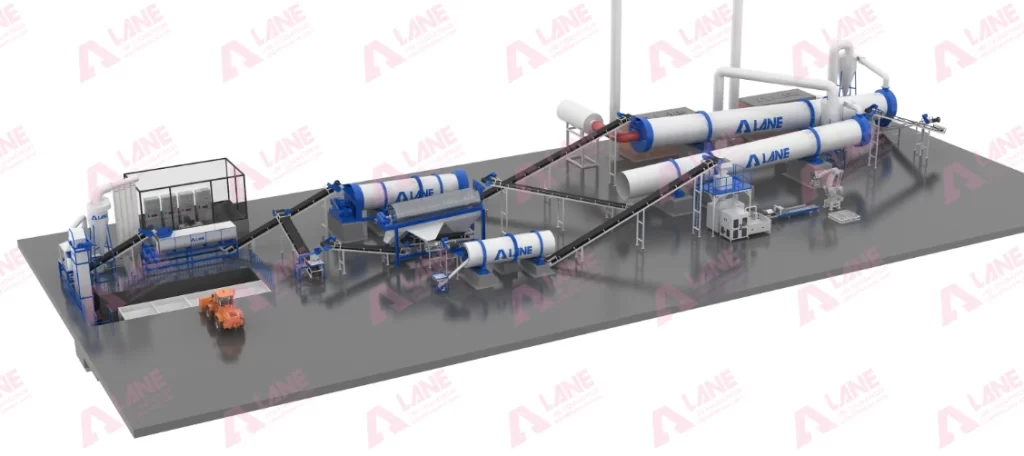
A complete DSP fertilizer production line typically includes rock pretreatment, acidulation, granulation, drying, cooling, screening, coating, and packing stages. Each of these stages requires specific machinery, and getting the sequence and the equipment sizing right is honestly half the battle.
How Double Superphosphate Fertilizer Is Actually Made
Let me walk you through it the way I’d explain it to a new plant manager on day one.
First, phosphate rock gets crushed and dried to the right particle size. Then it’s fed into a reaction vessel along with phosphoric acid. This acidulation step is where the magic happens — it’s also where things most often go wrong if the equipment isn’t built for consistent dosing. The slurry that comes out gets granulated, dried to remove excess moisture, cooled down, screened to separate undersized and oversized particles (which get recycled back into the process), coated to prevent caking, and finally packed for shipment.
It sounds straightforward on paper. In practice? Temperature control during drying and acid dosing accuracy during the reaction stage are where most plants either succeed or struggle. I’ve seen brand-new lines underperform simply because the dryer wasn’t sized correctly for the local humidity conditions.
Core Equipment You’ll Find in a DSP Fertilizer Production Line
Every single-unit machine here plays a specific role, and skipping corners on any one of them tends to cause headaches downstream. Based on what I’ve seen across various plant configurations, here’s what a typical setup includes:
- Acidulation reactor— handles the reaction between phosphate rock and phosphoric acid; this is the heart of the whole process
- Rotary drum granulator — shapes the reacted material into uniform granules
- Rotary drum dryer— removes moisture from the wet granules before they move downstream
- Rotary drum cooler— brings the hot granules down to a safe handling and storage temperature
- Vibrating screen — separates finished granules by size, sending oversized and undersized material back for reprocessing
- Coating machine — applies an anti-caking agent so the product stores and ships without clumping
- Belt conveyor system— moves material between stages with minimal dust and spillage
Some manufacturers also integrate a disc granulator as an alternative to the rotary drum design, depending on the raw material characteristics and the desired granule shape. It really comes down to what suits your specific feedstock.
What I’ve Learned From Years in the Field
Honestly, the biggest mistake I see buyers make is underestimating how much the acidulation reactor’s design affects everything downstream. Get that wrong, and no amount of fancy drying or coating equipment will fix an inconsistent feed. I remember visiting a facility a few years back where the granulation results were inconsistent — turned out the issue traced all the way back to acid dosing variability, not the granulator at all.
To be honest, I’ve also noticed that buyers sometimes focus too heavily on price per ton of capacity and not enough on after-sales support. A DSP fertilizer production line runs continuously, often in remote locations, so having a supplier who actually understands the equipment and responds quickly when something breaks down matters more than people expect going in.
Cost Factors to Consider
Pricing for a DSP fertilizer production line varies widely depending on capacity, automation level, and the materials used for the acidulation reactor (since it has to handle corrosive acid). A few of the bigger cost drivers include:
- Production capacity, typically measured in tons per hour or per year
- Level of automation, from manual control to full PLC-based systems
- Equipment material grade, particularly for components exposed to acid
- Auxiliary systems like dust collection, water treatment, and storage silos
- Installation, commissioning, and training support from the supplier
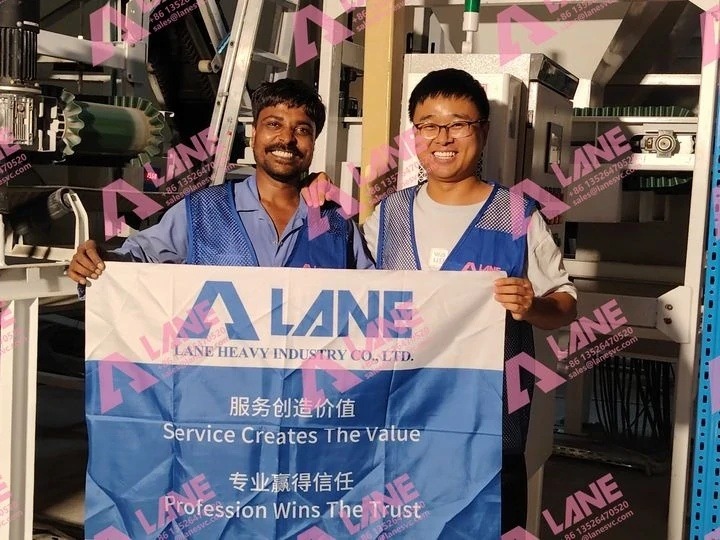
LANE, a manufacturer that’s built a fair number of these lines for clients across Africa and the Middle East, generally recommends sizing the plant around realistic local demand rather than maximum theoretical capacity — a practical approach that tends to save money on the front end without limiting future expansion.
Choosing a Supplier You Can Actually Rely On
When you’re evaluating suppliers, don’t just compare quotes side by side. Ask about reference plants, request to see equipment in operation if possible, and dig into their after-sales service network. A reliable double superphosphate fertilizer plant supplier should be willing to walk you through the process design, not just hand you a spec sheet and disappear after the wire transfer clears.
Final Thoughts
Building a DSP fertilizer production line is a significant investment, but it’s also a well-understood process when you work with the right partner. Focus on solid equipment fundamentals — especially the acidulation and granulation stages — and don’t skimp on after-sales support. If you’re at the stage of comparing suppliers or refining your plant design, reach out to a manufacturer with proven project experience and ask plenty of questions before you sign anything.
Frequently Asked Questions
What’s the difference between DSP and SSP fertilizer?
Single superphosphate (SSP) typically contains around 16-20% available phosphorus, while DSP contains roughly double that concentration, making it more nutrient-dense per ton shipped.
How long does it take to build a DSP fertilizer production line?
Depending on capacity and site readiness, installation and commissioning usually takes between four and eight months, not counting civil construction work that often happens in parallel.
What raw materials are needed for double superphosphate fertilizer production?
You’ll need phosphate rock and phosphoric acid as the primary inputs, along with smaller quantities of additives for coating and anti-caking purposes.
Can a DSP fertilizer production line be automated?
Yes. Most modern lines offer PLC-based automation for dosing, temperature control, and material handling, though manual or semi-automated options exist for smaller budgets.
Is double superphosphate fertilizer still in demand?
Definitely. It remains popular in regions where shipping costs make higher-concentration phosphate fertilizers more economical than lower-concentration alternatives.
What’s the typical capacity range for these production lines?
Capacities generally range from a few tons per hour for smaller operations up to much larger continuous systems for major producers, depending on market demand and budget.
For more details, please feel free to contact us.
Henan Lane Heavy Industry Machinery Technology Co., Ltd.
Email: sales@lanesvc.com
Contact number: +86 13526470520
Whatsapp: +86 13526470520
Send a message to us