


Turnkey Fertilizer Plant Solutions for Industrial Fertilizer Production
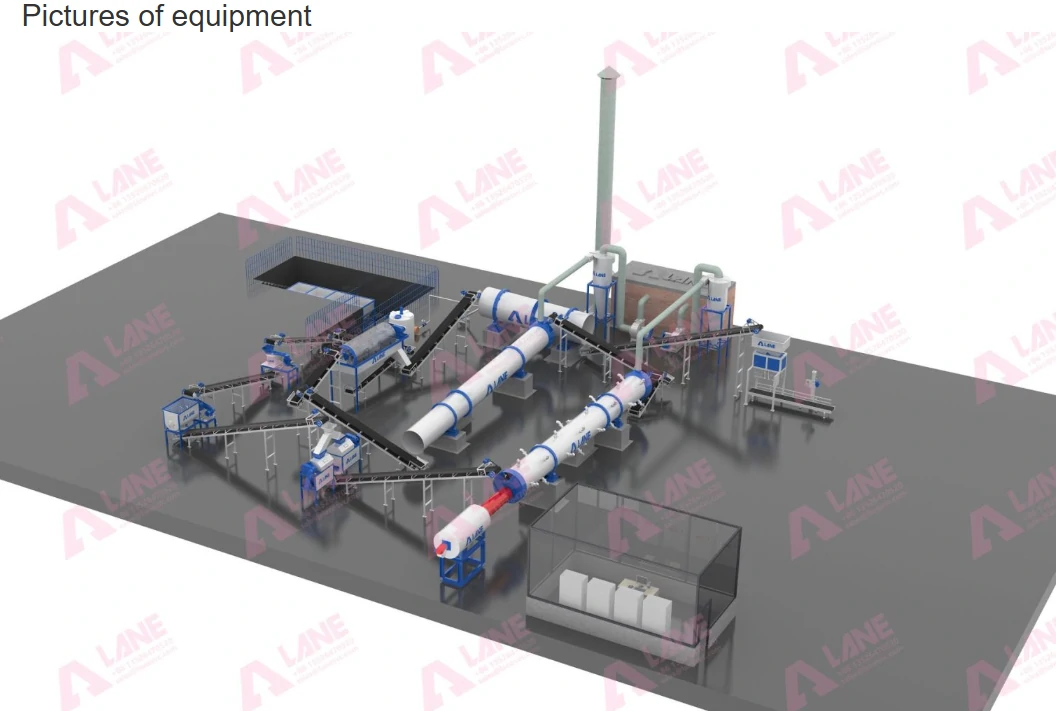
A turnkey fertilizer plant refers to a complete project solution where a single supplier is responsible for the entire process, from engineering design to final commissioning. Once the project is completed, the plant is ready for operation without additional integration work by the owner.
This approach is commonly used for fertilizer production lines such as SSP, TSP, SOP, NPK, and compound fertilizers. For investors and manufacturers, a turnkey fertilizer plant reduces coordination complexity and shortens the project timeline.
Typical Scope of a Turnkey Fertilizer Plant Project
The scope of a turnkey fertilizer plant usually covers all technical and execution stages required to deliver a functioning production line.
This includes process design, equipment manufacturing, on-site installation supervision, commissioning, and operator training. Civil construction guidance and utility integration are often included as well.
By assigning all responsibilities to a single contractor, project interfaces are simplified and execution efficiency is improved.
Process Design and Engineering Planning
Process design is the foundation of any turnkey fertilizer plant. Engineering decisions made at this stage directly influence production efficiency, energy consumption, and future expansion potential.
Design work starts with an evaluation of raw materials, fertilizer type, and target capacity. Layout planning focuses on material flow, equipment accessibility, and safety. A well-designed plant avoids unnecessary complexity and reduces long-term operating cost.
Equipment Selection and System Integration
Equipment selection plays a central role in turnkey fertilizer plant performance. Core equipment typically includes crushers, mixers, granulators, dryers, coolers, and screening systems.
In turnkey projects, equipment is selected as an integrated system rather than individual machines. Compatibility between equipment ensures stable operation and reduces mechanical stress. Material selection and fabrication quality also affect maintenance frequency and service life.
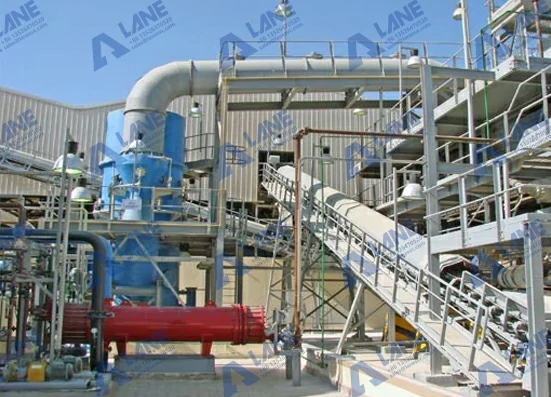
Common Challenges During Turnkey Fertilizer Plant Execution
Even with a turnkey fertilizer plant model, challenges can still arise during project execution. Many issues are not related to equipment quality, but to coordination between design assumptions and on-site conditions.
One common challenge is inconsistency between raw material properties and initial design data. Variations in moisture content, particle size, or impurity levels can affect granulation behavior and drying efficiency. If these factors are not addressed early, equipment performance may deviate from expectations.
Another challenge involves site conditions. Limited space, foundation deviations, or utility constraints can require layout adjustments during installation. Experienced turnkey fertilizer plant suppliers usually anticipate such issues and provide flexible engineering solutions.
Clear communication between engineering teams and site operators plays a critical role in overcoming these challenges and maintaining project timelines.
Installation and Commissioning Phase
Installation transforms engineering drawings into a physical fertilizer plant. Proper alignment, foundation accuracy, and mechanical installation quality are critical to long-term reliability.
Commissioning follows installation and focuses on testing each system under real operating conditions. Process parameters are adjusted, and product quality is verified. For a turnkey fertilizer plant, this phase confirms whether design targets can be achieved consistently.
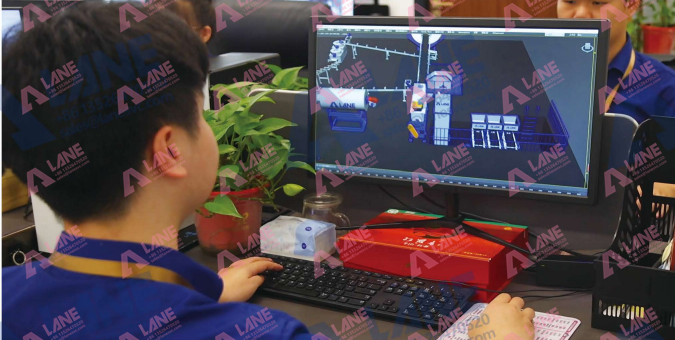
Cost Structure of a Turnkey Fertilizer Plant
The cost of a turnkey fertilizer plant includes more than equipment investment. Engineering services, installation supervision, commissioning, and project management all contribute to total project cost.
While turnkey projects may appear more expensive initially, they often reduce hidden costs caused by coordination errors, redesign, and construction delays. A clear cost breakdown helps investors evaluate overall project value rather than focusing only on equipment pricing.
Advantages of the Turnkey Delivery Model
One of the main advantages of a turnkey fertilizer plant is clear accountability. Technical responsibility is centralized, reducing disputes between contractors.
Project schedules are easier to control, and communication is more efficient. This model is especially suitable for overseas projects or owners without a dedicated technical team.
For complex fertilizer processes, turnkey delivery provides better risk control and smoother startup.
Selecting a Reliable Turnkey Fertilizer Plant Supplier
Choosing the right supplier is critical to the success of a turnkey fertilizer plant. Experience with similar fertilizer processes is an important indicator of technical capability.
Reliable suppliers provide realistic timelines, detailed technical documentation, and long-term service support. Reviewing reference projects and conducting technical discussions help verify supplier competence before contract signing.
Long-Term Operation Considerations After Plant Handover
After commissioning, the performance of a turnkey fertilizer plant depends largely on how it is operated and maintained. Smooth handover procedures are essential to ensure stable long-term operation.
Operator training should focus not only on normal operation, but also on identifying early signs of abnormal conditions. Understanding equipment load behavior and process limits helps prevent unnecessary wear and downtime.
Documentation provided during handover, including operation manuals and maintenance schedules, should be reviewed and updated based on actual operating experience. Plants that actively manage post-handover performance often achieve higher equipment availability and lower operating cost over time.
A turnkey fertilizer plant delivers full value when technical support and operational discipline continue beyond project completion.
Conclusion
For a broader industry perspective on fertilizer production systems and plant development, readers may refer to the International Fertilizer Association (IFA), which provides global insights into fertilizer manufacturing practices, technology trends, and project implementation.
A turnkey fertilizer plant offers a structured and efficient solution for building modern fertilizer production facilities. By integrating engineering, equipment supply, installation, and commissioning, this approach reduces project complexity and operational risk.
For manufacturers planning new fertilizer plants or upgrading existing ones, turnkey delivery provides a practical path from concept to stable production.
Ready to choose the right fertilizer production solution? Contact LANE today to learn more about .
Email: sales@lanesvc.com
Contact number: +86 13526470520
Whatsapp: +86 13526470520


Send a message to us