


Sulphate of Potash Production Line: Process, Equipment & Industrial Design
Sulphate of Potash (SOP) — also known as potassium sulfate fertilizer — is a high-value, chloride-free potassium source widely used in agriculture for chloride-sensitive crops such as fruits, vegetables, and tobacco. A Sulphate of Potash Production Line is an industrial system engineered to convert raw potassium sources into high-quality SOP fertilizer, with optimized process flow, reliable output, and environmental controls that meet modern agricultural demands. An industrial Sulphate of Potash Production Line focuses on stable output, uniform granule quality, and efficient resource utilization to meet modern agricultural demands.
What Is Sulphate of Potash (SOP)?
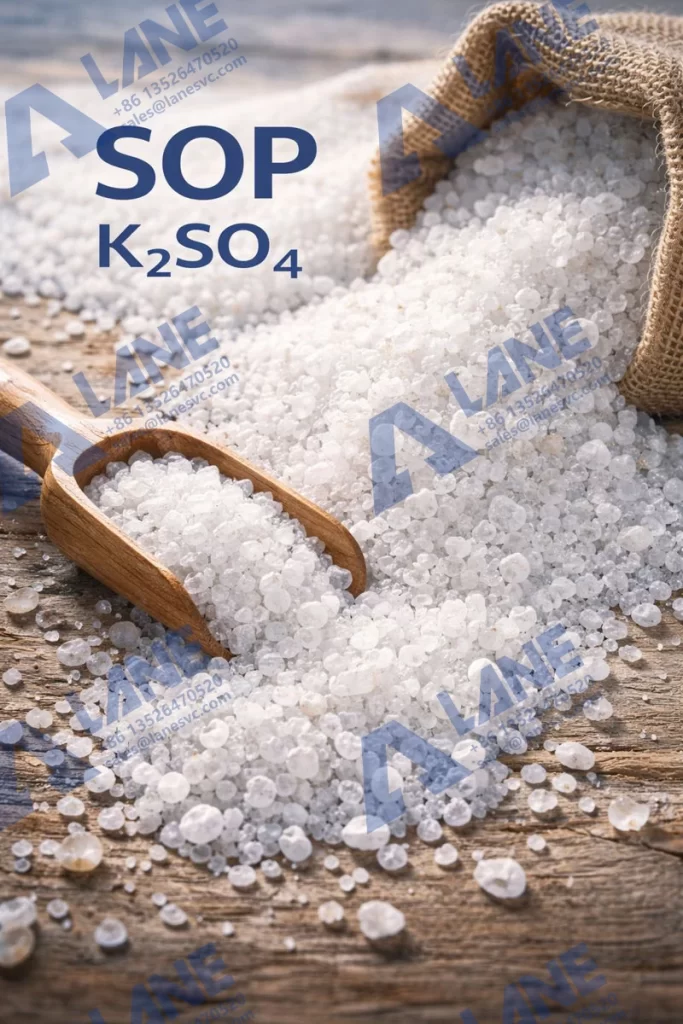
Potassium sulfate (K₂SO₄) is a water-soluble fertilizer that supplies both potassium and sulfur, essential nutrients for plant growth, photosynthesis, and stress tolerance. SOP typically contains approximately 50–52% K₂O and 17–18% sulfur, and its chloride-free formulation makes it ideal for crops where chloride presence can harm yield or quality.
This fertilizer can be produced through either chemical conversion (such as the Mannheim process) or by processing natural mineral sources like langbeinite or schoenite. While natural extraction methods depend on geographic mineral availability, chemical conversion — reacting potassium chloride with sulfuric acid — remains a widely used industrial route.
According to the United Nations Environment Programme’s technical fertilizer production report, industrial production systems for SOP focus on transforming potassium raw materials into highly soluble sulfate forms while controlling emissions and by-products effectively.
Overview of the Sulphate of Potash Production Line

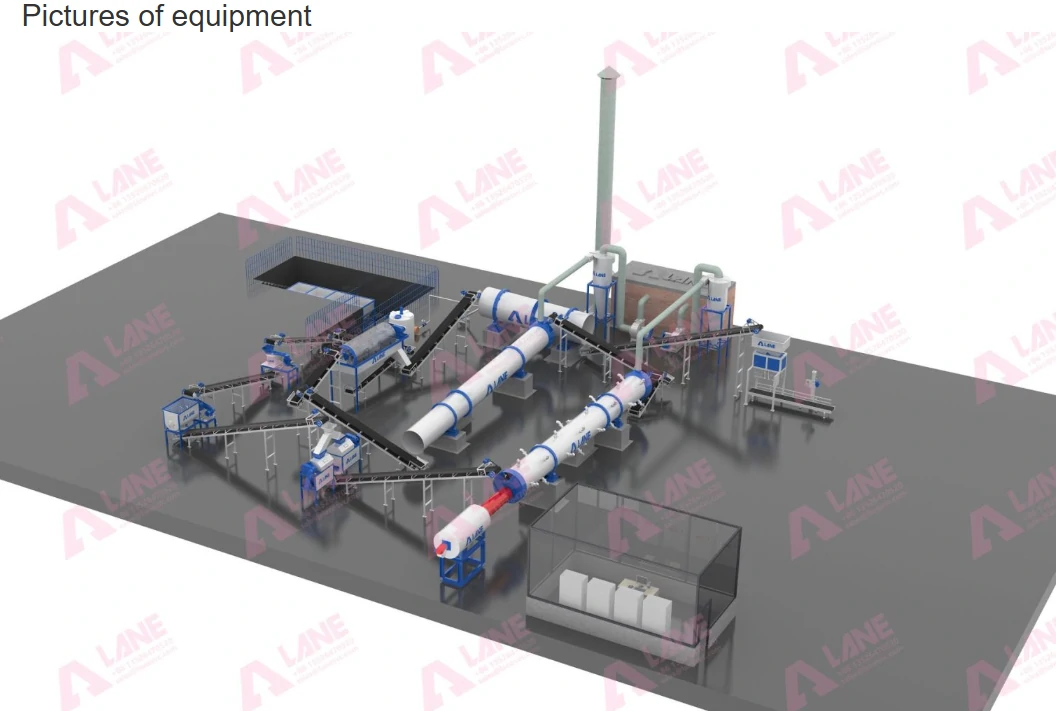
A complete Sulfate of Potash Production Line involves multiple coordinated process stages that convert raw materials into granulated or crystalline SOP fertilizer. A typical workflow includes:
Raw Material Preparation – Crushing and grinding potassium chloride and any supplementary minerals to achieve consistent particle size for reaction.
Mixing and Dosing – Uniformly combining raw materials with sulfuric acid to ensure controlled reaction conditions.
Chemical Reaction & Crystallization – In reactors, potassium chloride reacts with sulfuric acid to form potassium sulfate, and the solution progresses toward crystal formation.
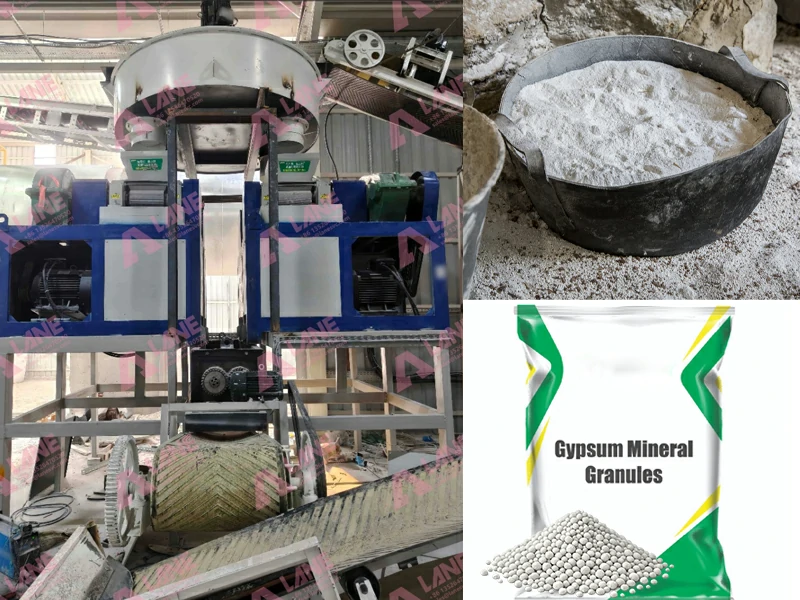
Granulation – Rotary drum or disc granulators form uniform granules, improving handling, storage stability, and field application.
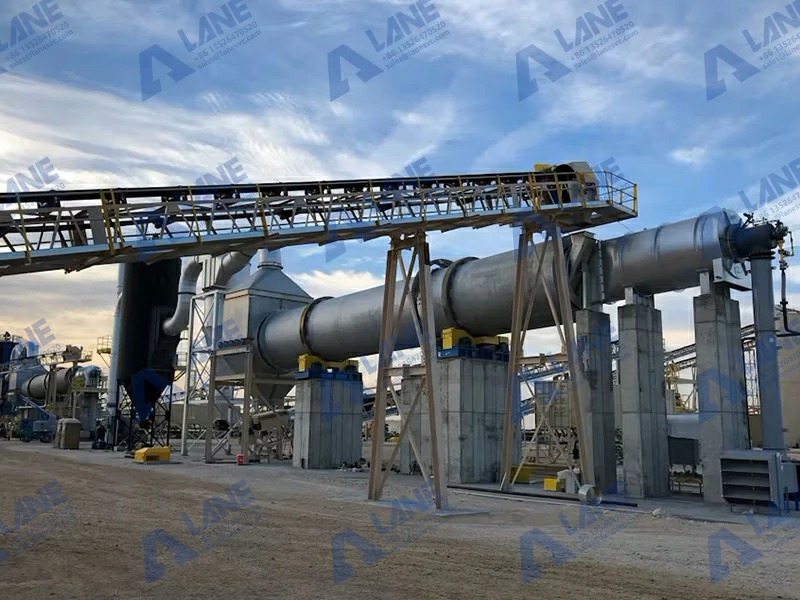
Drying & Cooling – Rotary dryers remove moisture, and coolers stabilize granules to prevent caking and ensure quality.
Screening – Screens classify granules by size, separating and recycling off-spec particles.
Packaging – Automatic packaging machines weigh and bag finished SOP fertilizer for distribution.
Core Equipment in a Sulphate of Potash Production Line

In a complete Sulphate of Potash Production Line, each core machine is configured to support continuous production and precise chemical conversion. From raw material preparation to granulation, drying, and screening, the overall performance of a Sulphate of Potash Production Line depends on proper equipment selection and system integration.
A typical SOP production line integrates several specialized machines that each play a critical role:
Crushers & Grinders: Prepare raw potassium chloride or mineral feedstocks into fine particles, enabling consistent reaction.
Mixers & Dosing Units: Accurately blend raw materials and sulfuric acid for controlled acidulation reactions.
Reactors & Crystallizers: Perform the core Mannheim reaction (KCl + H₂SO₄ → K₂SO₄ + HCl) and support crystal formation.
Granulators (Rotary Drum / Disc): Convert crystals into granules of target sizes for agricultural use.
Dryers & Coolers: Remove excess moisture and reduce granule temperature to ensure product integrity.
Screening Machines: Separate qualified product from fines and oversized granules.
Automatic Packaging Systems: Provide accurate, efficient bagging and palletizing of finished fertilizer.
Dust & Emission Controls: Cyclone dust collectors and scrubber systems limit particulate and gas emissions, helping plants comply with environmental rules.
These pieces of equipment can be integrated with automated control systems (such as PLC or DCS) to optimize throughput, minimize labor, and reduce process variability.
Design Considerations for SOP Fertilizer Production Lines
Designing a modern Sulfate of Potash Production Line requires engineering judgment around several key areas:
Process Control & Automation
Advanced control systems help monitor reaction parameters, raw material flow rates, and equipment performance, ensuring consistent product quality while reducing manual intervention and operational risk.
Capacity Planning & Scalability
The plant’s capacity must reflect market demand, raw material availability, and budget constraints. Modular designs allow future expansion without disrupting existing operations.
Environmental Compliance & Safety
SOP production can generate hydrochloric acid fumes and particulate dust. Emission control equipment such as scrubbers and cyclone filters helps meet environmental standards, protect worker health, and maintain regulatory compliance.
Layout & Material Flow
Optimized layout minimizes material transfer distances, enhances safety, and improves maintenance access. Segmentation of reaction, granulation, and finishing zones supports smoother process flow and reduces downtime.
The process flow of a Sulphate of Potash Production Line is designed to maintain reaction stability while maximizing fertilizer purity. A well-designed Sulphate of Potash Production Line ensures consistent chemical conversion, controlled crystal formation, and reliable downstream processing.
Applications and Agronomic Value
As a chloride-free potassium fertilizer, SOP is particularly valuable for high-value, chloride-sensitive crops such as vegetables, fruits, tobacco, and flowers. It improves plant water uptake, enzyme activation, and stress resistance, resulting in healthier growth and better yield quality.
In modern agricultural systems, SOP is often blended with other nutrient sources (such as nitrogen and phosphorus fertilizers) to meet crop-specific nutrient requirements. Its role is complementary to traditional potash sources like Muriate of Potash (MOP), but SOP’s low chloride content gives it an edge in sensitive crop systems.
As a chloride-free potassium fertilizer, Sulphate of Potash is especially suitable for fruits, vegetables, tobacco, and cash crops, and its agronomic value, crop response, and nutrient advantages are well summarized in the professional article Potassium Sulphate (SOP) fertilizer explained, which helps readers understand why SOP production lines are increasingly demanded in high-value fertilizer markets.
Conclusion
Selecting the right Sulphate of Potash Production Line requires balancing production capacity, environmental compliance, and long-term operational efficiency. With proper engineering and automation, a modern Sulphate of Potash Production Line can deliver stable performance and competitive production costs.
A well-designed Sulphate of Potash Production Line combines controlled chemistry, precision equipment, automation, and environmental safeguards to produce high-quality potassium sulfate fertilizer efficiently and sustainably. With the growing demand for premium, chloride-free fertilizers in modern agriculture, SOP production technology remains a vital part of fertilizer manufacturing portfolios worldwide.

Send a message to us