


SOP Fertilizer Caking Prevention Technology: Solutions for High-Quality Potash Production
Potassium sulphate (SOP) fertilizer serves as a premium potassium source extensively employed in high-value crop cultivation. However, a persistent challenge during its storage and handling is caking – the undesirable agglomeration of granules diminishes product quality, complicates packaging, and impedes application efficiency. This paper examines the most effective SOP fertilizer caking prevention techniques, encompassing root causes, advanced anti-caking strategies, and equipment innovations for maintaining SOP quality throughout the production and logistics chain.
What Causes SOP Fertilizer to Cake?
Caking in SOP fertilizer primarily results from physical and chemical changes in the granules during storage and transport. Common causes include:
Moisture absorption from the environment or internal sources.
High product temperature post-granulation or during storage.
Pressure and compaction during bagging or stacking.
Crystalline bonding between granules under humid conditions.
Impurities or residual salts affecting product stability.
These factors, when unaddressed, trigger irreversible clumping that reduces market value and handling efficiency.
Why Caking Prevention Matters in SOP Fertilizer Plants
Caking can lead to several operational and economic issues:
Poor flowability during packaging and application.
Increased production downtime due to equipment blockages.
Customer dissatisfaction due to inconsistent product quality.
Higher packaging cost (double bagging or extra drying).
Product return or rejection from bulk buyers.
To preserve SOP’s premium market status, manufacturers must integrate effective anti-caking technologies into both their production lines and storage processes.
Top SOP Fertilizer Caking Prevention Technologies
Here are the most widely adopted and effective SOP fertilizer caking prevention technology solutions used in modern fertilizer plants:
1. Surface Coating with Anti-Caking Agents
This is one of the most direct methods of caking control. After granulation and drying, SOP granules are sprayed with a thin layer of hydrophobic or film-forming agents.
Types of coatings include:
Mineral oil-based coatings
Fatty acid derivatives
Silica-based powders
Polymer emulsions
These coatings form a protective barrier that prevents moisture intrusion and crystalline bridge formation between particles.
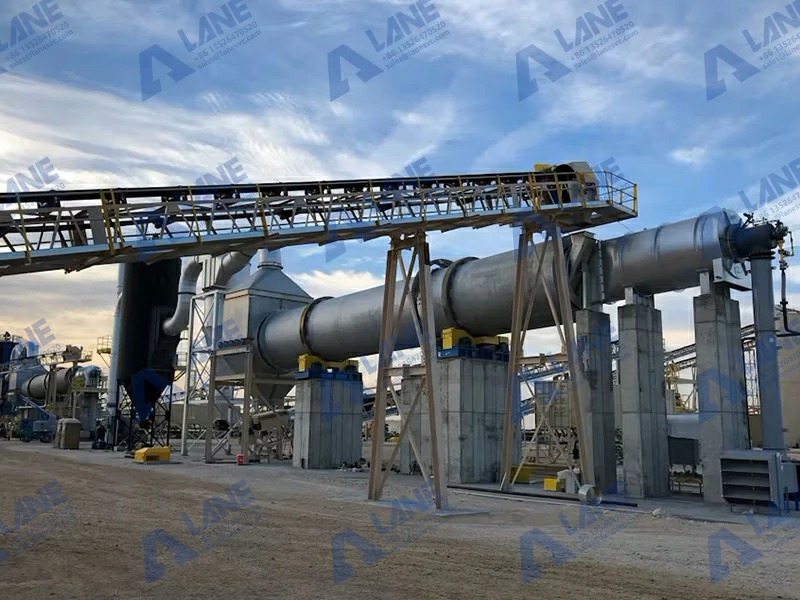
Application tip: Coating is best applied in a rotary drum or spraying chamber with controlled temperature and agitation.
2. Controlled Cooling and Drying
SOP granules must be thoroughly dried and gradually cooled to ambient temperature before storage.
Recommended parameters:
Final moisture content: <1%
Exit temperature from cooler: <40°C
Rapid or insufficient cooling can trap moisture inside granules, which migrates during storage and causes caking. Using counter-flow coolers improves cooling efficiency and reduces surface rehydration.
3. Granule Size Optimization
SOP fertilizer with a uniform granule size (typically 2–4 mm) reduces surface area for bonding and helps maintain flowability.
Key equipment:
Rotary granulators or compactors
Vibrating screens for sizing and fines removal
Irregular sizes or excessive fines increase capillary moisture movement and contribute to crystal bridge formation.
4. Humidity-Controlled Storage
Storage conditions play a critical role in maintaining granule integrity. Warehouses for SOP should have:
Relative humidity <50%
Temperature control or insulation
Ventilation systems
Elevated pallets to avoid ground moisture transfer
Additionally, bulk SOP storage should use moisture-proof linings and breathable, UV-resistant outer covers for long-term protection.
5. Anti-Caking Additives in Production
Adding anti-caking agents during SOP mixing can reduce internal moisture sensitivity. These additives can be blended in small percentages (0.1–0.5%) with the raw material before granulation.
Examples include:
Micronized silica
Talc or bentonite clay
Modified starches or binders
Their use should be calibrated carefully to avoid affecting nutrient content or solubility.
SOP Granulation Equipment Enhancements for Anti-Caking
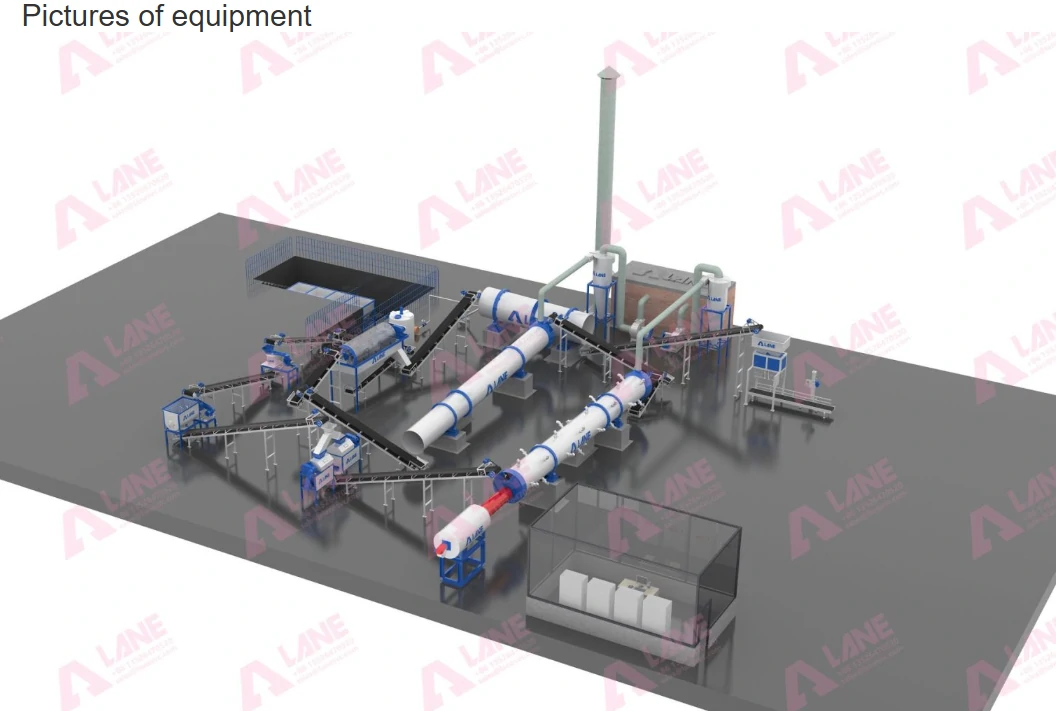
Several engineering upgrades can be integrated into the SOP fertilizer production line to minimize caking tendencies:
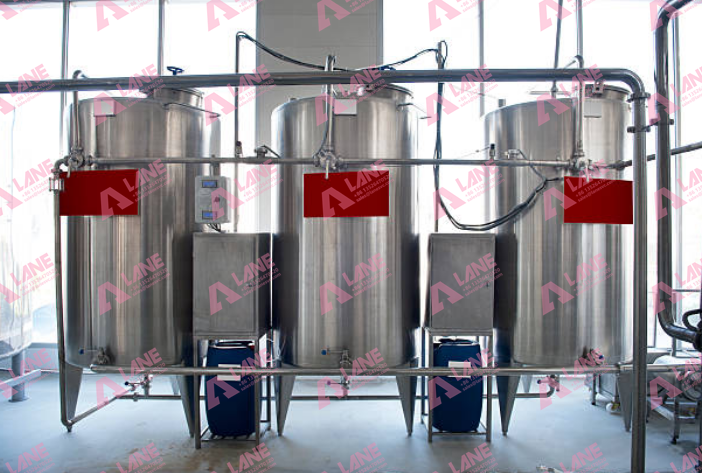
| Equipment | Enhancement | Caking Benefit |
|---|---|---|
| Rotary Drum Granulator | Internal scrapers & auto-cleaning | Prevents build-up, ensures uniformity |
| Rotary Dryer | Variable speed airflow, moisture sensors | Optimizes moisture removal |
| Drum Coater | Precise spray control systems | Uniform anti-caking agent application |
| Packing Machine | Dehumidifiers in packing area | Prevents moisture reabsorption |
Quality Control and Monitoring Practices
Implementing a lab-based quality assurance program supports consistent product performance. Suggested QC steps:
Daily granule size analysis
Moisture and temperature tracking post-packaging
Compression and flowability tests
Anti-caking effectiveness evaluation (caking index)
Some manufacturers conduct accelerated aging tests to simulate storage conditions and optimize anti-caking formulas.
Case Study: SOP Fertilizer Line Optimization in Europe

A 15 TPH SOP granulation plant in Southern Europe faced product returns due to caking during shipment. After integrating a dual anti-caking system (internal additive + external coating), switching to a counter-flow cooler, and upgrading their warehouse ventilation, they observed:
45% reduction in caking incidents
20% longer shelf life
Improved customer feedback on product flowability
This demonstrates how adopting holistic SOP fertilizer caking prevention technology not only reduces losses but also strengthens brand trust in competitive markets.
Conclusion
In addition to material formulation and storage management, industrial experience shows that specialized anti-caking treatments during the granule finishing process can significantly enhance the physical stability of fertilizer products. Techniques such as uniform surface coating and controlled application of anti-caking agents help reduce moisture uptake and inter-particle adhesion, which are common causes of fertilizer agglomeration. For further technical insights into practical fertilizer caking prevention methods, see detailed industry guidance on fertilizer caking prevention technologies and coating methods.
Caking in SOP fertilizers is a solvable challenge when the right combination of process, coating, equipment, and storage solutions are applied. Modern SOP fertilizer caking prevention technology empowers manufacturers to deliver consistent, high-quality products while reducing operational disruptions and economic waste. Whether you’re upgrading an existing plant or building a new SOP fertilizer line, investing in caking prevention strategies ensures sustainable success.
Send a message to us