


Muriate of Potassium Production Line: Efficient Potassium Fertilizer Manufacturing
What Is a Muriate of Potassium Production Line?
A Muriate of Potassium production line is an industrial system designed to produce potassium chloride (often called MOP or muriate of potash), one of the most widely used potassium fertilizers in agriculture. Potassium is essential for plant functions such as water retention, enzyme activation, and photosynthesis, making MOP fertilizer critical for crop yield and quality.
The primary purpose of this production line is to convert potassium chloride raw materials into uniform, high-quality fertilizer granules ready for storage, blending, or direct field application. Modern production lines focus on efficiency, consistency, and energy performance.
Raw Material Handling and Crushing
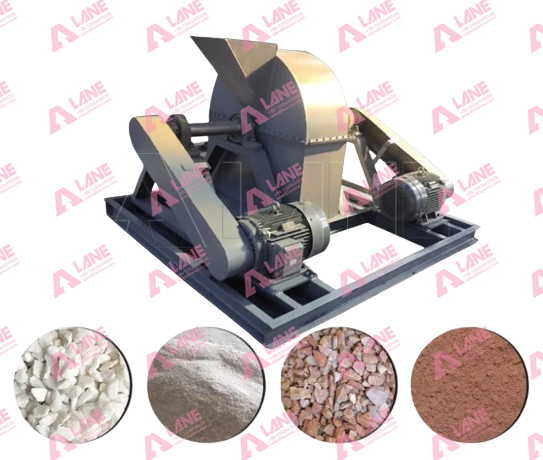
The first phase in a Muriate of Potassium production line is raw material preparation. Potassium chloride feedstock is inspected, screened and crushed to the target particle size. This step ensures uniform feedstock, which promotes consistent downstream processing and reduces energy consumption during granulation.
Crushing equipment must be robust and capable of handling abrasive chloride salts without excessive wear, as uniform particle size significantly influences granule strength and processing stability.
Mixing, Blending, and Conditioning
Once raw materials are prepared, they move to mixing and blending. In a Muriate of Potassium production line, this stage ensures that potassium chloride is evenly distributed with any additives or conditioners that improve granule performance or nutrient delivery.
Blending is also where producers can introduce additional nutrient streams, such as micronutrients or synergistic elements when producing compound fertilizer blends. The accuracy of blending affects final product uniformity and market acceptance.
Granulation — Core of the Production Process
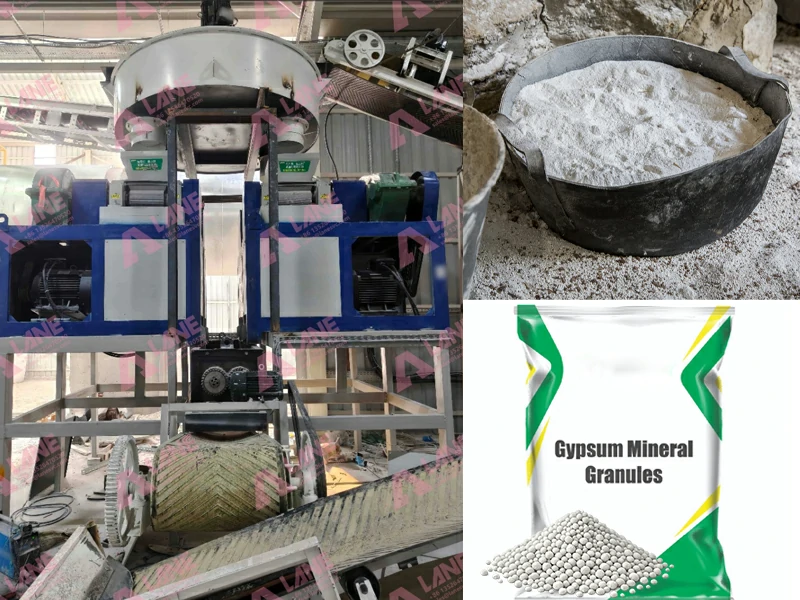
Granulation is the key step in the Muriate of Potassium production line. During this stage, finely prepared and blended material is formed into granules with consistent particle size suitable for handling and field application.
Typically, rotary drum granulators or disc granulators are used because they can maintain steady throughput while producing uniform granules. Precision moisture control and drum speed regulation are critical to achieving optimal granulation efficiency.
Consistent granulation improves fertilizer spreading performance, enhances nutrient availability, and reduces dust during transport and application.
Drying and Cooling Systems
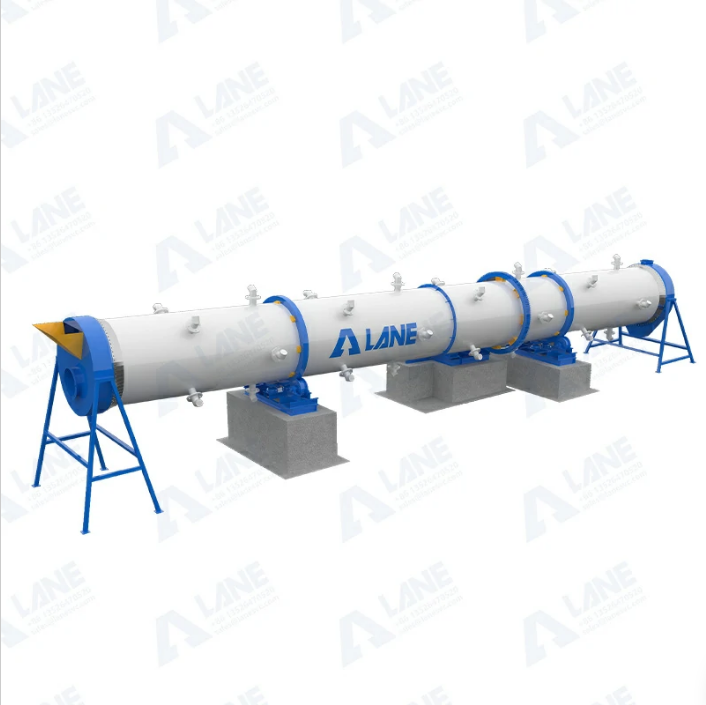
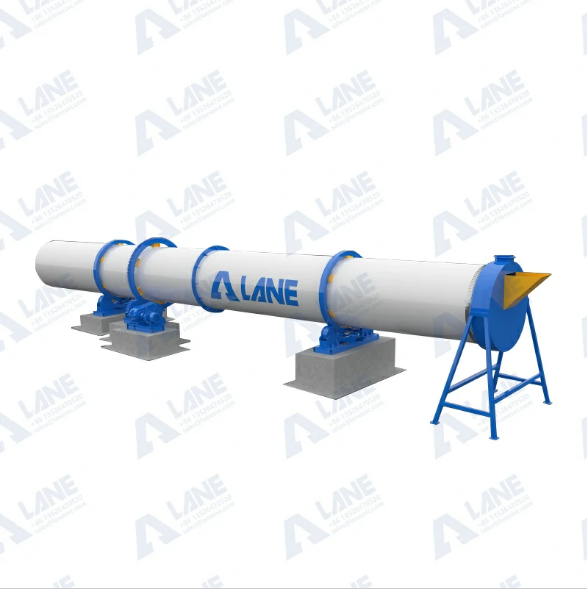
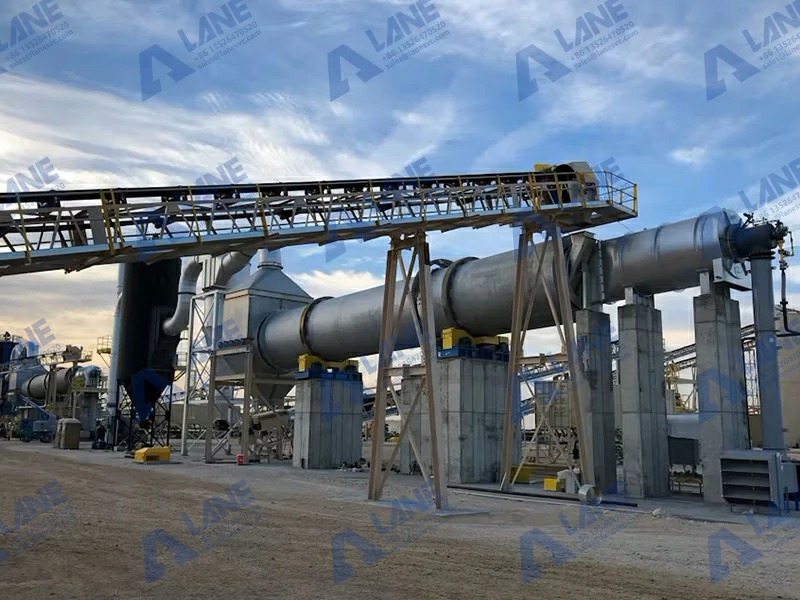
After granulation, the newly formed potassium chloride granules contain residual moisture. In a Muriate of Potassium production line, drying machines, such as rotary dryers, remove that moisture to achieve target levels that promote storage stability.
Following drying, cooling systems reduce granule temperature and stabilize physical integrity. Proper cooling also minimizes caking — a common quality issue with chloride-based fertilizers when stored in bulk or bagged.
Energy-efficient drying and cooling can substantially reduce operating costs while maintaining product quality across batches.
Screening and Polishing for Uniform Quality
Once dried and cooled, the granules pass through screening equipment to separate qualified sizes from oversize and undersize fractions. Screen mesh selection and vibration parameters determine how material is categorized.
Accepted product sizes proceed to polishing stations, where dust is removed and surface finish is improved. Refining these physical attributes enhances the fertilizer’s flow properties and reduces the generation of fines — a common source of loss during handling.
Oversize and undersize materials are typically recycled back into the granulation loop, improving yield and reducing raw material waste.
Automatic Packaging and Logistics Readiness
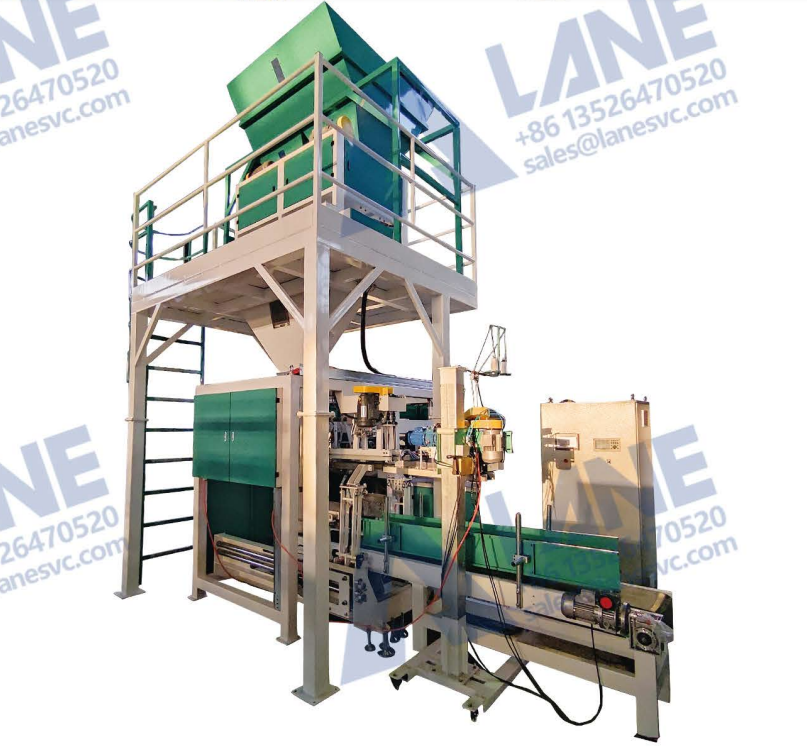
At the end of the Muriate of Potassium production line, finished granules move into automated packaging systems. These systems offer precise weighing, bagging, and sealing, reducing manual labor and improving throughput.
Automated packaging solutions can support a variety of formats, including multi-weight bagging, jumbo bag loading, and palletizing, making the production line suitable for both local distribution and export markets.
Efficiency, Customization, and Energy Use
Modern Muriate of Potassium production lines emphasize energy efficiency and flexibility. For example, engineering design can integrate waste heat recovery systems and optimized airflow drying paths to reduce fuel consumption. The rotary dryer and cooler stages are often designed to minimize energy use while maintaining optimal process conditions.
Customization allows producers to modify formulations — blending MOP with other nutrients or additives — making the production line adaptable to diverse agricultural requirements.
Quality Control and Consistent Output
A well-designed Muriate of Potassium production line incorporates quality assurance at every stage. Raw material inspection, moisture monitoring, granule size control and finished product testing ensure that fertilizer meets application and handling specifications.
Consistent quality across batches enhances product effectiveness in the field, supports fertilizer blending operations and increases customer confidence in the product.
Conclusion
To better understand the broader role of potassium chloride in fertilizer manufacturing, it is helpful to consult authoritative industry research. According to the potassium chloride supply chain overview by the U.S. EPA, muriate of potash production involves standardized mining, processing, and distribution steps that directly influence the design and capacity planning of a modern Muriate of Potassium Production Line.
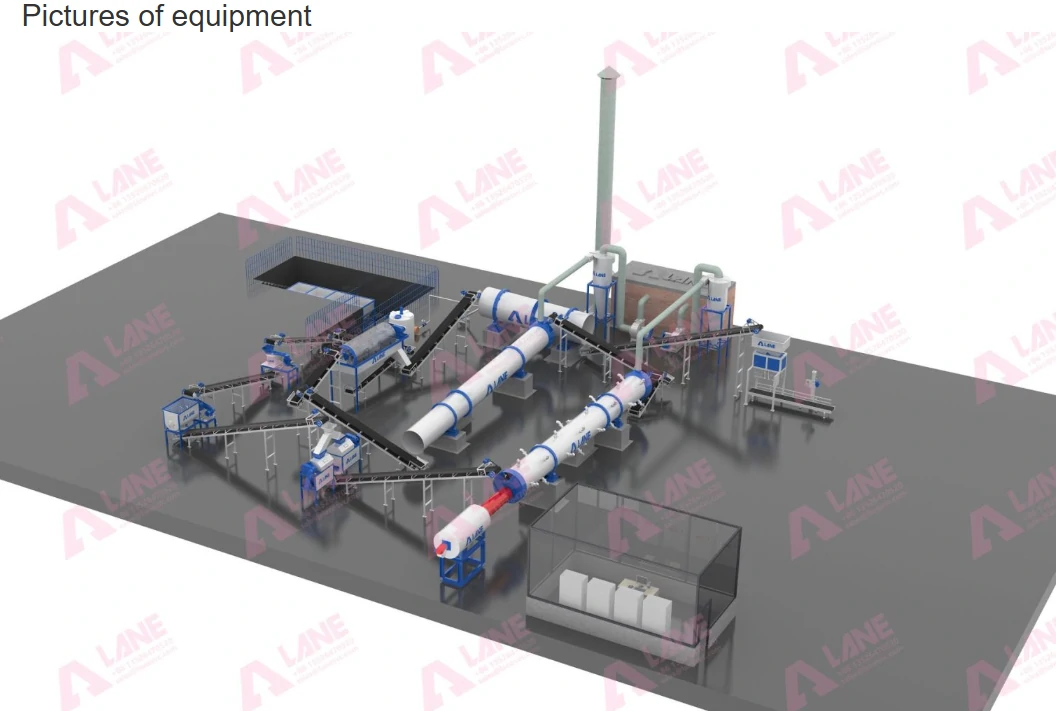
The Muriate of Potassium production line is a comprehensive solution for producing high-performance potassium chloride fertilizer. Through carefully integrated stages — from crushing and blending to granulation, drying, screening and packaging — modern systems deliver consistent quality with high efficiency and energy performance.
For fertilizer manufacturers seeking reliable and scalable production capacity, investing in a well-engineered Muriate of Potassium production line is key to long-term operational success and market competitiveness.

Send a message to us