


MCP Fertilizer Production Line: Process, Equipment and Industrial Design
What Is Monocalcium Phosphate (MCP)?
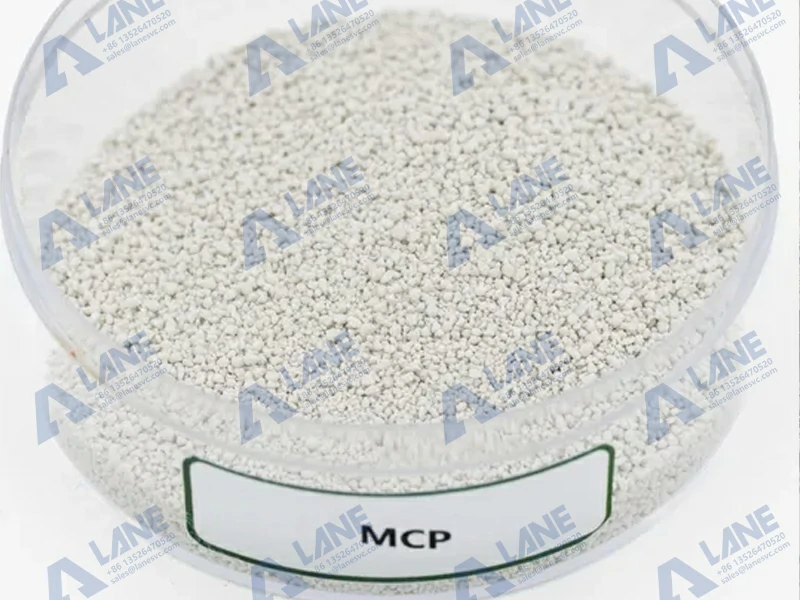
MCP Fertilizer Production Line systems are designed to produce high-quality monocalcium phosphate fertilizer through controlled chemical reactions and precise granulation processes. Monocalcium Phosphate (MCP) is a highly water-soluble phosphorus fertilizer widely used in agriculture and animal feed industries due to its rapid nutrient release and excellent bioavailability.
Overview of an MCP Fertilizer Production Line
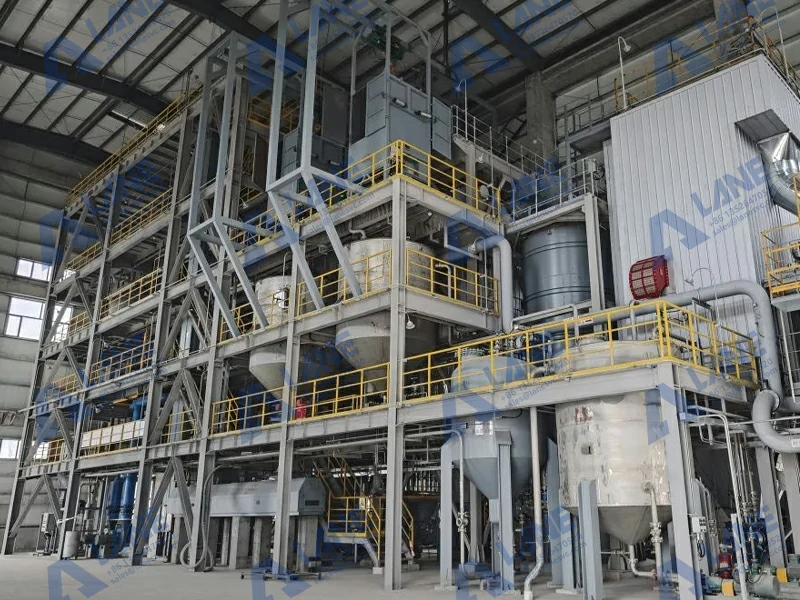
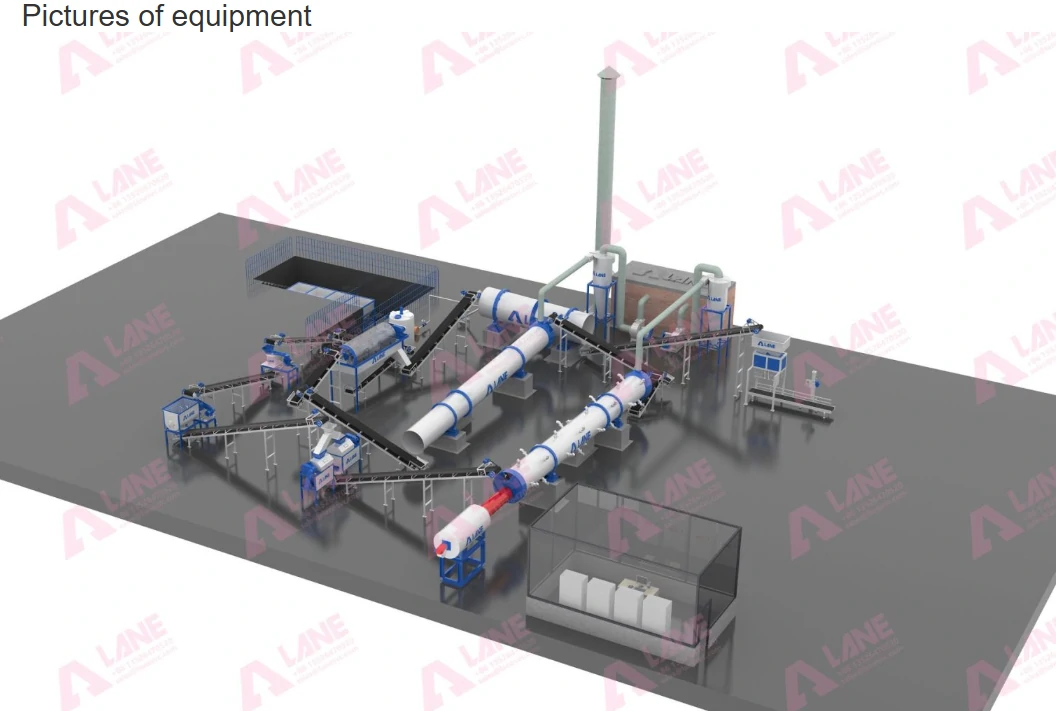
An MCP Fertilizer Production Line is an integrated industrial system designed to convert phosphate-based raw materials into high-purity monocalcium phosphate through controlled chemical reactions and physical processing. A typical production line combines batching, acidulation, granulation, drying, cooling, and packaging into a continuous workflow, ensuring consistent product quality and stable output.
According to the industrial solution provided by MCP Fertilizer Production Line manufacturers, modern systems are engineered to support production capacities ranging from small pilot plants to large-scale facilities exceeding tens of thousands of tons per year, while maintaining strict control over particle size, moisture content, and nutrient uniformity.
MCP Fertilizer Production Process Explained
The MCP fertilizer manufacturing process relies on precise chemical and mechanical coordination. In a standard MCP Fertilizer Production Line, the process generally includes the following stages:
Raw Material Dosing and Preparation
Phosphate rock or calcium-based materials are accurately dosed and combined with phosphoric acid using automated feeding systems. Precise batching is critical to ensure stable chemical reactions and consistent phosphorus content throughout production, as emphasized in industrial MCP processing guidelines outlined by MCP Fertilizer Production Line system designs.
Acidulation and Reaction
The core chemical reaction occurs in a controlled reactor where phosphoric acid reacts with calcium sources to form monocalcium phosphate slurry. Temperature, pH, and residence time are carefully regulated to maximize conversion efficiency and minimize by-products. This reaction stage defines the final solubility and quality of MCP fertilizer.
Granulation and Shaping
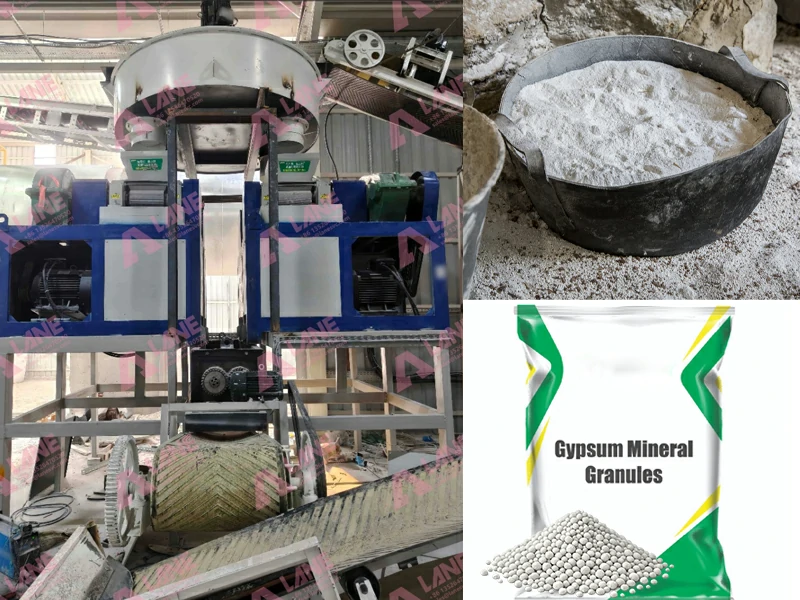
The resulting slurry is transferred to a granulation unit, where it is shaped into uniform granules using rotary drum or disc granulators. Granulation improves product handling, storage stability, and application performance, making it a key stage in any industrial MCP Fertilizer Production Line.
Drying, Cooling, and Screening
Freshly formed granules are dried to reduce moisture content and then cooled to stabilize physical strength. Screening systems separate qualified particles from fines and oversize materials, which are recycled back into the process, ensuring consistent granule size distribution.
Packaging and Storage
Finished MCP fertilizer is automatically weighed, packaged, and prepared for bulk storage or shipment. This final step ensures product safety, transportation efficiency, and market readiness.
Key Equipment in an MCP Fertilizer Production Line
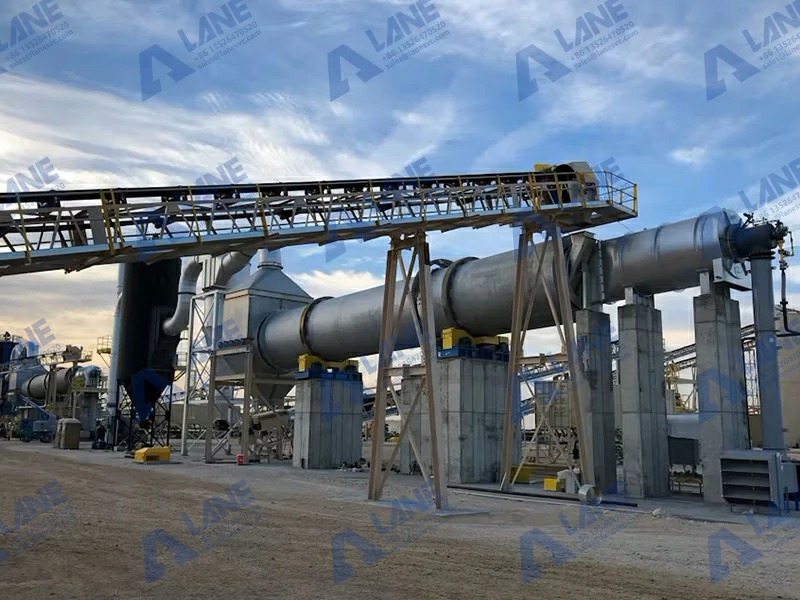
A complete MCP Fertilizer Production Line typically includes the following core equipment:
Raw material batching and feeding systems for precise formulation control
Acidulation reactors designed for efficient MCP synthesis
Granulators for uniform pellet formation
Rotary dryers and coolers for moisture and temperature control
Screening machines for particle size classification
Dust collection and emission control systems to meet environmental standards
These components are integrated into a unified production system, as demonstrated by industrial MCP solutions available through monocalcium phosphate production line equipment, allowing manufacturers to achieve high efficiency with reduced labor input.
Design Considerations for MCP Fertilizer Production Lines
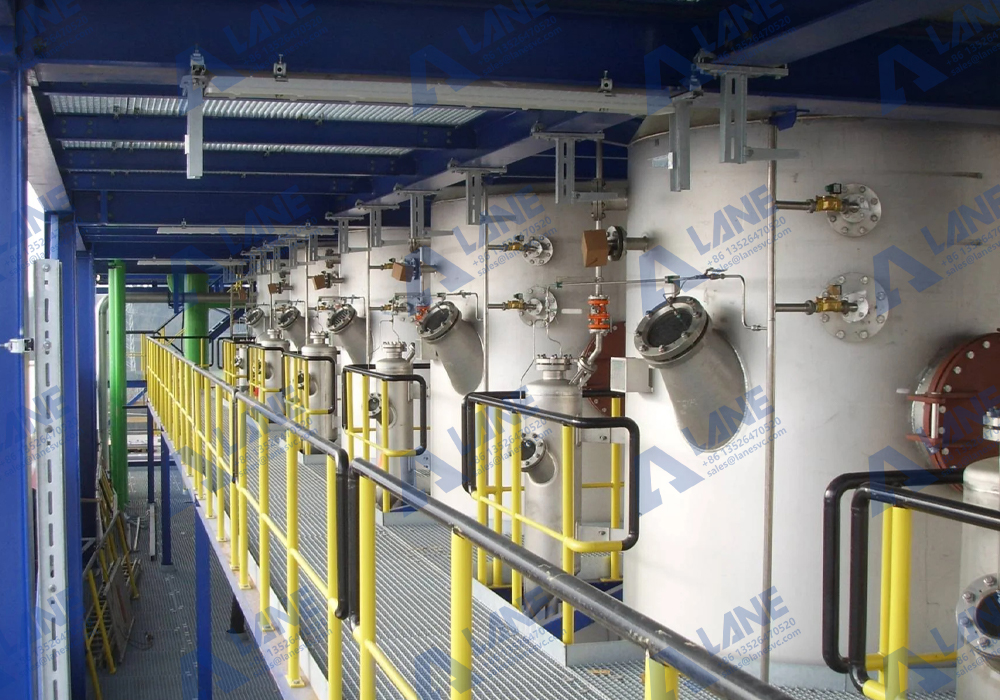
Automation and Process Control
Advanced automation systems monitor key operating parameters such as feed rates, reaction temperature, and granule moisture. Automated control reduces human error, improves product consistency, and enhances operational safety in MCP fertilizer plants.
Capacity Planning and Scalability
When designing an MCP Fertilizer Production Line, manufacturers must balance current production needs with future expansion potential. Modular equipment layouts allow capacity upgrades without extensive plant reconstruction.
Environmental and Safety Compliance
MCP production involves acidic materials and fine particles, making environmental protection essential. Modern lines integrate dust collectors, exhaust treatment units, and corrosion-resistant materials to comply with international safety and environmental regulations, as recommended by industrial fertilizer production standards referenced in fertilizer manufacturing processes from the International Fertilizer Association.
Plant Layout Optimization
Efficient plant layout minimizes material handling distances and improves maintenance accessibility. Clear separation of reaction, granulation, drying, and packaging zones contributes to smoother operation and reduced downtime.
Applications and Market Value of MCP Fertilizer
MCP fertilizer is widely applied in phosphorus-deficient soils to promote early crop establishment and root growth. Its high solubility makes it particularly suitable for starter fertilizers and compound fertilizer formulations. In animal nutrition, MCP serves as a reliable source of phosphorus and calcium, supporting bone development and metabolic functions.
The versatility of MCP across agricultural and feed markets underscores the importance of a stable and efficient MCP Fertilizer Production Line capable of meeting diverse quality standards.
Conclusion
A well-designed MCP Fertilizer Production Line integrates chemical reaction control, efficient granulation, and automated handling to produce high-quality monocalcium phosphate fertilizer with excellent solubility and consistency. By selecting appropriate equipment, implementing advanced automation, and ensuring environmental compliance, manufacturers can build a competitive MCP production facility that meets the growing demand for phosphorus fertilizers worldwide.

Send a message to us