


Maintenance Cost of SSP Granulation Equipment: How to Minimize Expenses and Maximize Uptime
Single Superphosphate (SSP) remains a vital phosphorus fertilizer across global markets, and maintaining granulation equipment efficiently is key to ensuring consistent output and quality. While SSP granulation lines are robust, understanding and managing the maintenance cost of SSP granulation equipment is essential for reducing downtime, preserving equipment longevity, and protecting profit margins. This article explores typical maintenance expenses, influencing factors, and proven strategies to reduce operational costs in SSP fertilizer production facilities.
Understanding SSP Granulation Equipment Maintenance
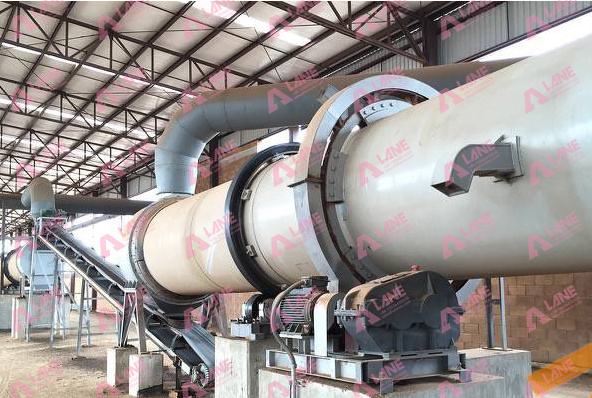
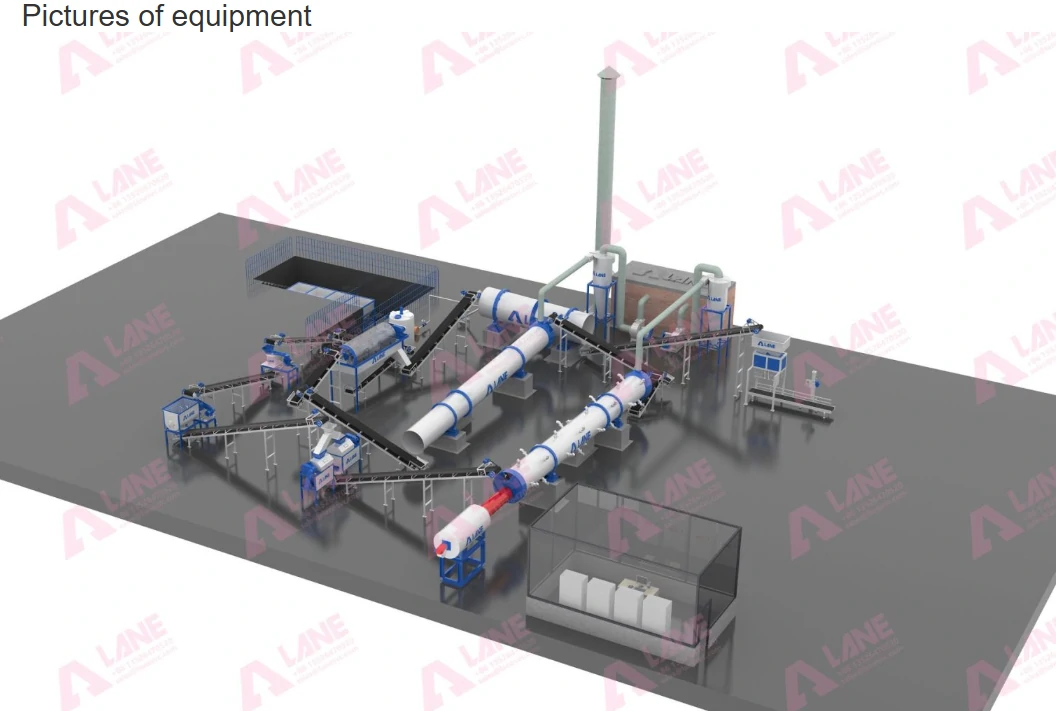
SSP Fertilizer Production Line
SSP granulation equipment typically includes the following key components:
Mixer (for acid and rock phosphate reaction)
Granulator (disc or rotary)
Dryer
Cooler
Screening system
Dust collection units
Conveying and recycling systems
Each component experiences different wear-and-tear patterns depending on the raw materials, process intensity, and operational environment.
Typical Maintenance Costs Breakdown
The maintenance cost of SSP granulation equipment includes both direct and indirect expenses. Here’s a breakdown:
| Component | Common Maintenance Tasks | Approx. Annual Cost (USD) |
|---|---|---|
| Granulator | Replacing liners, spray nozzles, drive parts | $5,000 – $10,000 |
| Dryer | Burner calibration, drum wear plates, insulation | $3,000 – $8,000 |
| Screening Unit | Mesh replacement, bearing lubrication | $2,000 – $5,000 |
| Conveyors | Belt replacement, motor servicing | $1,000 – $4,000 |
| Dust Collectors | Filter bag changes, fan blade cleaning | $1,500 – $3,000 |
| General Labor & Unscheduled Downtime | Reactive repairs, inspection labor | $5,000 – $12,000 |
Total Annual Maintenance Estimate: $17,000 – $42,000
This range varies by capacity (e.g., 5TPH vs. 20TPH plants), usage hours, and plant location (corrosive conditions, temperature, etc.).
Factors That Influence Maintenance Costs
Understanding the drivers behind equipment wear is essential for cost optimization. The main factors affecting maintenance cost of SSP granulation equipment include:
Material Abrasiveness: Rock phosphate with high silica content increases equipment erosion.
Acid Concentration: Corrosive reactions accelerate damage in mixing tanks and granulators.
Granule Size Requirements: Tighter control may demand more frequent screen maintenance.
Operation Duration: Plants running 24/7 have higher wear rates and thus require more frequent servicing.
Dust Management Efficiency: Poor ventilation or faulty bag filters cause system clogging and stress motors.
Preventive Maintenance Frequency: Plants with regular inspection routines tend to spend less on reactive fixes.
Another important factor influencing the maintenance cost of SSP granulation equipment is the operating environment and raw material consistency. In SSP fertilizer production, fluctuations in moisture content, particle size of feed materials, or acidulation uniformity can significantly increase mechanical stress on granulators, mixers, and conveyors. Over time, this leads to accelerated wear of critical components such as liners, bearings, and granulation blades.
From a practical production standpoint, maintaining stable raw material parameters and proper pre-treatment can effectively reduce unplanned maintenance and extend service intervals. Fertilizer manufacturers that invest in process control, operator training, and routine condition monitoring often achieve lower long-term maintenance costs and more predictable equipment uptime. This operational discipline is especially important for SSP granulation systems operating under continuous or high-capacity production conditions.
Top Strategies to Reduce Maintenance Costs
Adopt Predictive Maintenance Technology
Using vibration sensors, temperature monitors, and motor current analyzers can help detect issues before they cause damage. Investing in IoT-based monitoring reduces emergency repair costs.Use Corrosion-Resistant Materials
For components exposed to phosphoric acid, upgrade to stainless steel or acid-resistant linings. While initial costs are higher, long-term savings in repair frequency are substantial.Implement Standardized Operating Procedures
Ensure workers follow SOPs related to material loading, cleaning routines, and equipment shutdown/startup sequences. Operator error is a leading cause of preventable damage.Train Maintenance Personnel
Well-trained technicians can quickly identify early warning signs of failure. Conducting periodic refresher training helps reduce misdiagnosis and unnecessary part replacements.Maintain an Organized Spare Parts Inventory
Keeping essential spares (bearings, nozzles, liners, belts) in stock minimizes downtime. Delays in procurement often lead to costly production halts.Perform Monthly Equipment Audits
Schedule structured walk-through inspections for wear detection, lubrication, and leak control. Consistency in monitoring ensures that no issue escalates unnoticed.
Long-Term Cost Benefits of Modernization
Older SSP plants with outdated granulation equipment tend to have higher maintenance costs due to inefficient designs, lack of automation, and difficulty sourcing parts. Consider these upgrades for better long-term cost control:
Replace Open-Chain Conveyors with Enclosed Systems
Reduces dust, corrosion, and wear.Upgrade Manual Valves to Pneumatic Systems
Lowers risk of acid leakage and improves control precision.Switch from Pan to Rotary Drum Granulators
Drum granulators are more durable and require less frequent maintenance in high-capacity operations.Automate Dust Collection and Scrubbing Systems
Helps maintain airflow efficiency and reduce clog-related breakdowns.
Case Study: Maintenance Cost Reduction in a 10TPH SSP Plant
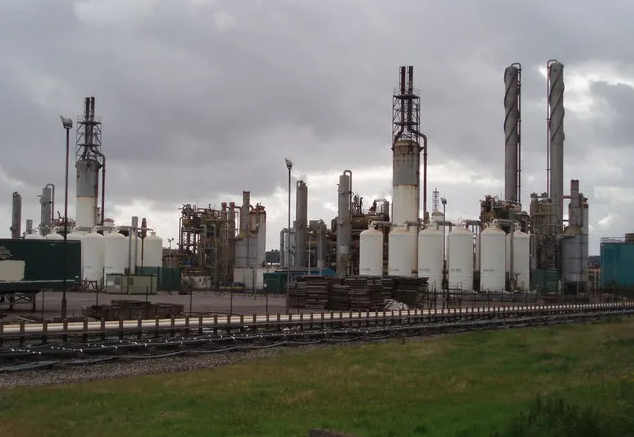
A fertilizer factory in Southeast Asia operating a 10TPH SSP line reported annual maintenance expenses of approximately $38,000. After implementing a preventive maintenance schedule, replacing carbon steel parts with stainless steel components, and training the maintenance crew, their costs dropped to $24,500 annually within one year—a 35.5% savings.
Additionally, their equipment uptime improved by 17%, leading to an increase in daily output and higher profit margins.
Conclusion
From a maintenance standpoint, SSP granulation equipment does not fail suddenly without warning. Wear usually builds up step by step. Rollers, liners, and bearings show clear signs before serious damage occurs. Noise changes. Vibration increases. Product granule quality may also become less stable.
Plants that pay attention to these early signals can act before downtime happens. Simple actions such as adjusting operating load, correcting material moisture, or replacing a single worn part often prevent larger failures. In practice, this approach costs less than full equipment shutdowns. It also keeps SSP granulation equipment running in a more stable and predictable way.
Spare parts management also has a direct impact on maintenance cost. In many SSP granulation plants, downtime is not caused by complex failures. It happens because the right part is not available at the right time. Bearings, seals, liners, and small transmission parts are often overlooked. When they fail, production stops.
Plants with stable uptime usually keep a simple spare parts plan. Critical wear parts are stocked in advance. Replacement cycles are recorded. This does not require a large budget. It requires discipline. Over time, this approach reduces emergency repairs and keeps maintenance costs under control.
For a broader understanding of the cost structures involved in fertilizer production—including granulation equipment maintenance, energy consumption, and labor—refer to the comprehensive fertilizer plant machinery and maintenance cost analysis provided by industry experts
Controlling the maintenance cost of SSP granulation equipment is crucial to keeping production lines efficient and profitable. Through strategic planning, equipment upgrades, preventive systems, and trained personnel, fertilizer manufacturers can significantly reduce unnecessary expenses and extend the life of critical machinery. Whether you’re running a small-scale plant or a high-capacity operation, optimizing maintenance practices offers measurable financial and operational benefits.
Ready to choose the right SSP fertilizer solution? Contact LANE today to learn more about SSP .
Email: sales@lanesvc.com
Contact number: +86 13526470520
Whatsapp: +86 13526470520
Send a message to us