


Gypsum Fertilizer Manufacturing: How to Produce High-Quality Fertilizer from Gypsum
With the growing demand for soil conditioning and secondary nutrient fertilizers, Gypsum Fertilizer Manufacturing has become a strategic investment direction for fertilizer producers worldwide. Agricultural gypsum not only supplies calcium (Ca ≥ 18–23%) and sulfur (S ≥ 14–18%), but also improves soil permeability, reduces sodium adsorption ratio (SAR), and enhances root-zone structure.
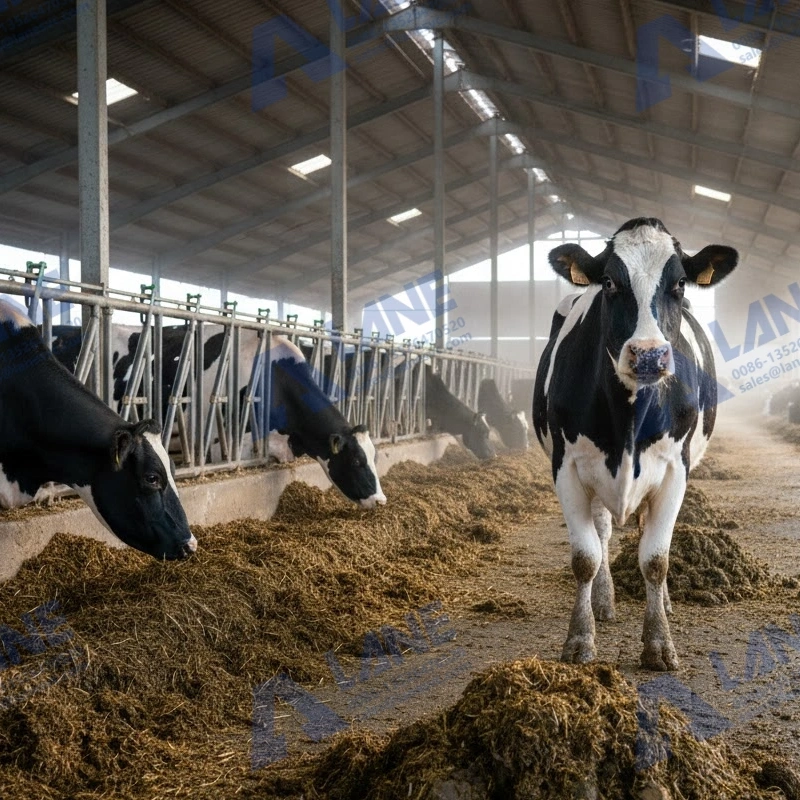
Why Gypsum Matters in Modern Agriculture
Agricultural gypsum (CaSO₄·2H₂O) provides:
Calcium (CaO equivalent: 22–32%) for cell wall development
Sulfur (S content: 14–18%) for protein synthesis
Soil flocculation in sodic soils (ESP reduction efficiency up to 30–50% depending on soil conditions)
Improved water infiltration rates by 20–40% in compacted clay soils
Typical application rates range from 500 kg/ha to 2,000 kg/ha, depending on soil type and salinity level.
Gypsum Fertilizer Manufacturing Process Flow
A standard Gypsum Fertilizer Manufacturing plant can be designed with capacities ranging from 5 TPH (tons per hour) to 30 TPH, equivalent to 30,000–200,000 tons per year depending on operating hours.
1. Raw Material Handling and Crushing
Feed size: ≤ 300 mm gypsum rock
Output size after crushing: ≤ 20–30 mm
Equipment configuration:
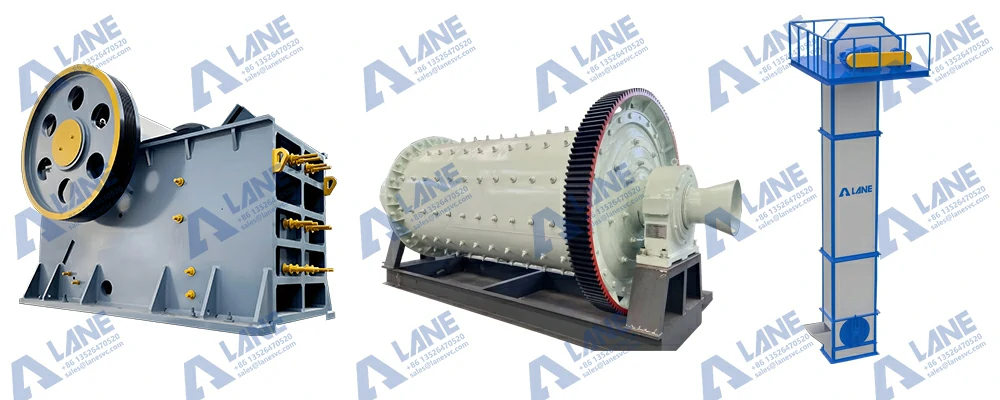
Heavy-duty jaw crusher (capacity: 10–50 TPH)
Hammer crusher for secondary reduction
Belt conveyors with dust collection system
LANE designs enclosed crushing workshops equipped with pulse-jet bag filters to maintain dust emissions below 30 mg/Nm³, meeting international environmental standards.
2. Grinding System
For powder-grade gypsum fertilizer:
Final fineness: 80–200 mesh (180–75 μm)
Mill capacity: 3–20 TPH
Power consumption: 18–35 kWh per ton
Recommended equipment:
Raymond mill or vertical roller mill
Cyclone separator + pulse dust collector
Automatic feeding control system
The grinding system in Gypsum Fertilizer Manufacturing directly impacts solubility and field performance. LANE integrates frequency-controlled feeders and online particle size monitoring to ensure uniform fineness.
3. Granulation Section (Optional but Recommended)
For better storage and mechanized spreading, granular gypsum fertilizer is preferred.
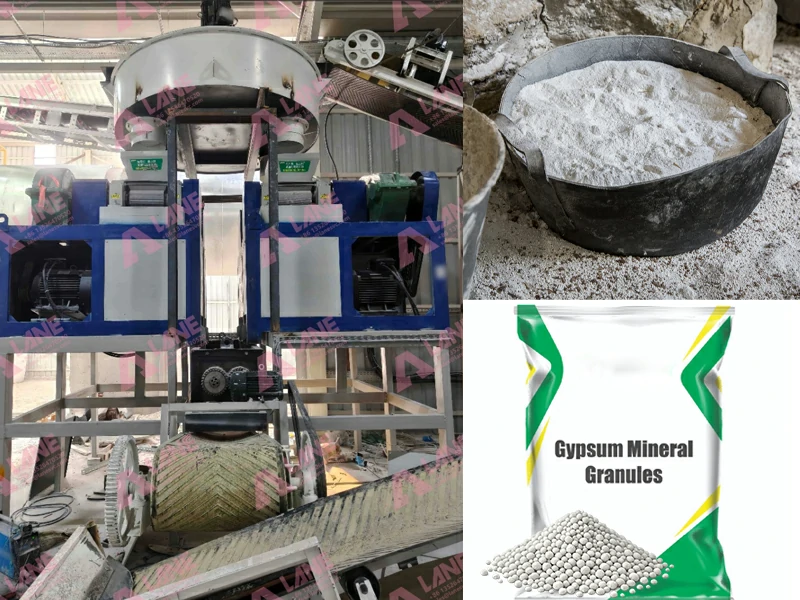
Disc Granulator
Capacity: 1–6 TPH
Granule size: 2–4 mm
Balling rate: ≥ 85%
Capacity: 5–20 TPH
Moisture control: 12–15% during granulation
Granule size uniformity: ±0.5 mm
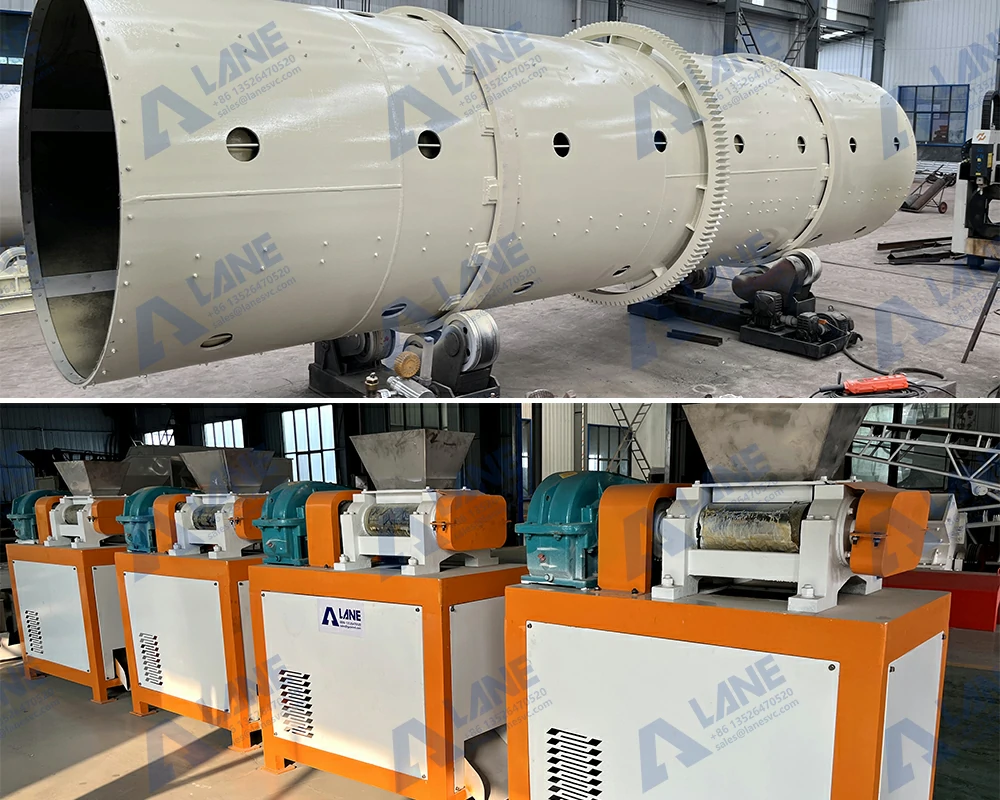
Double Roller Extrusion Granulator
Capacity: 1–8 TPH
No drying required
Energy consumption reduced by 30–40%
LANE selects the granulation method based on raw material moisture, investment budget, and local climate conditions.
4. Drying and Cooling System
For wet granulation processes:
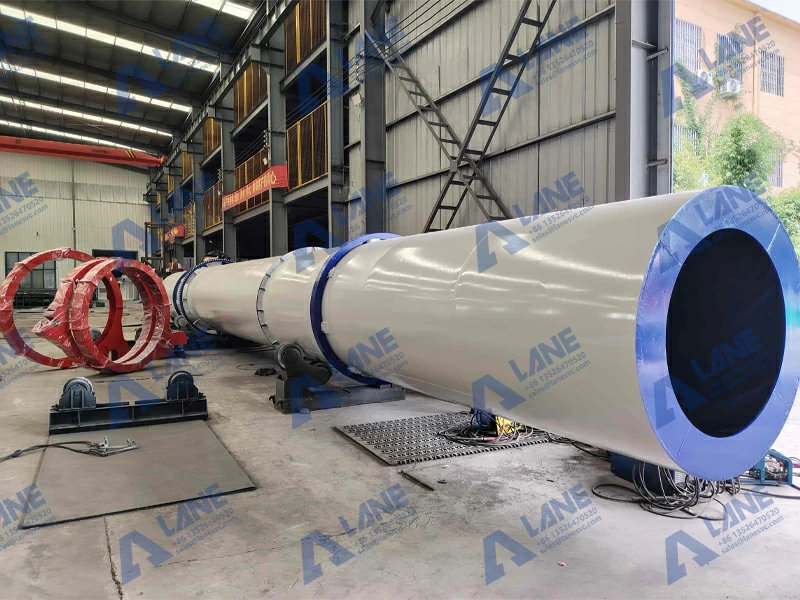
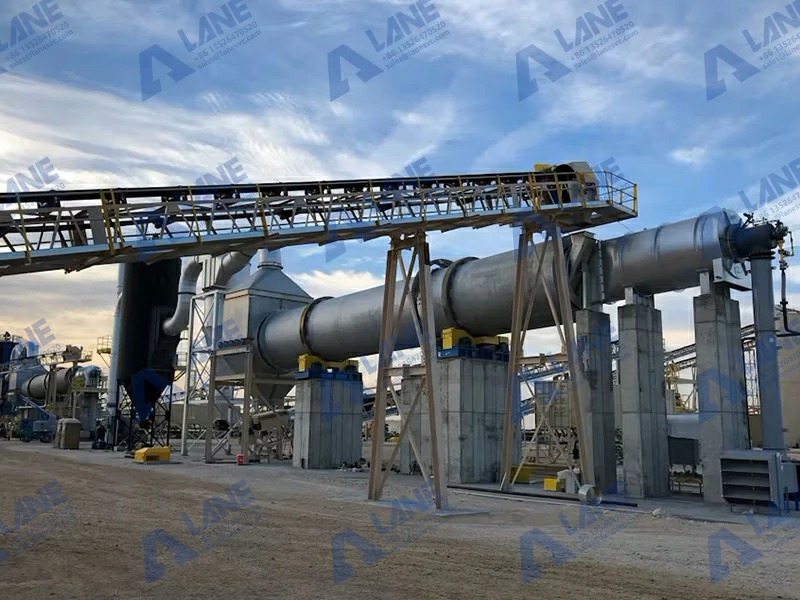
Rotary Dryer
Inlet moisture: 12–15%
Outlet moisture: ≤ 2%
Heat source: natural gas, diesel, coal, or biomass
Thermal efficiency: ≥ 65%
Rotary Cooler
Outlet temperature: ≤ 40°C
Improves granule hardness (≥ 15 N compressive strength)
LANE integrates hot air furnace, induced draft fans, and intelligent temperature sensors to stabilize moisture levels and reduce fuel consumption by up to 10–15%.
5. Screening, Coating, and Packaging
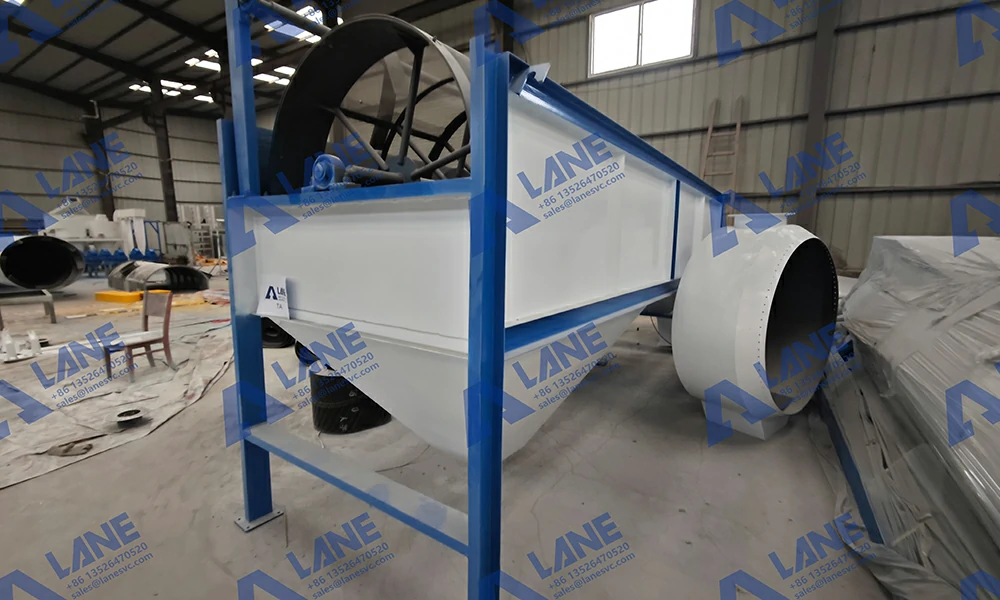
Vibrating screen efficiency: ≥ 95%
Oversize/undersize recycling rate: automatic closed-loop
Coating rate: 0.2–0.5% anti-caking agent
Packaging range: 25 kg, 50 kg, 1-ton jumbo bags
Packing accuracy: ±0.2%
Automated packaging lines can reach 300–500 bags/hour, reducing labor demand significantly.
LANE’s Integrated Gypsum Fertilizer Manufacturing Solutions
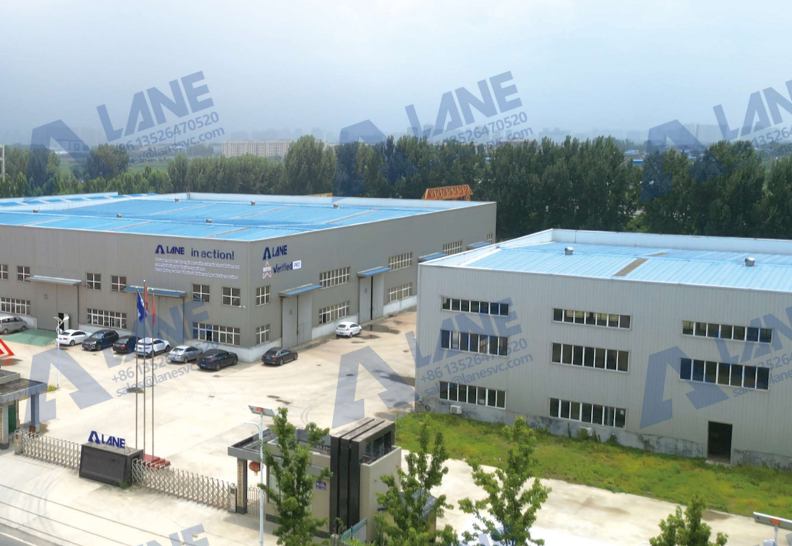
Unlike equipment-only suppliers, LANE provides full EPC (Engineering, Procurement, Construction) services for Gypsum Fertilizer Manufacturing projects.
1. Factory Layout & Process Design
LANE offers:
2D/3D plant layout drawings
Civil foundation design guidance
Material flow optimization
Power load calculation reports
Dust control and ventilation design
Typical land requirement for a 100,000 TPY plant: 8,000–15,000 m², depending on configuration.
2. Modular & Scalable Plant Engineering
LANE designs scalable production lines:
Phase 1: 50,000 TPY
Phase 2 expansion to 100,000–150,000 TPY
Reserved space for additional granulation or blending units
This modular concept reduces initial capital expenditure and allows future expansion without major reconstruction.
3. Project Delivery Capability
LANE’s delivery scope includes:
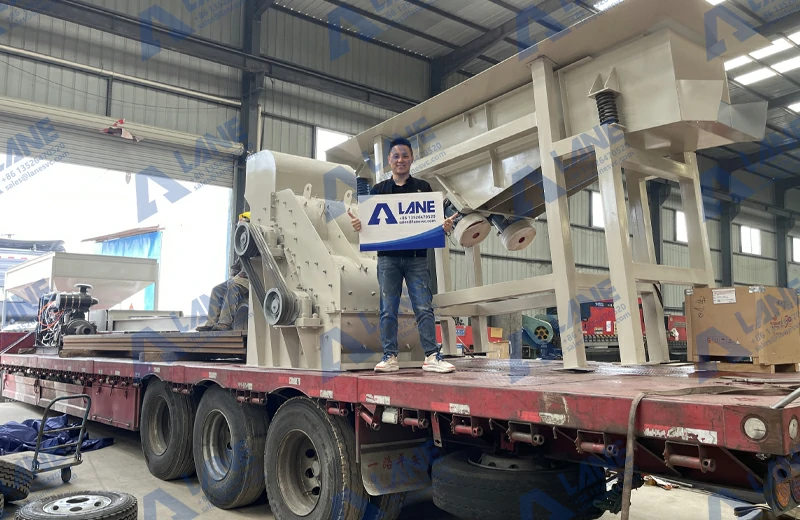
Equipment manufacturing (carbon steel or stainless steel contact parts)
Pre-installation testing before shipment
On-site installation supervision
Commissioning & operator training
Production formula optimization
Typical project timeline:
Engineering design: 20–30 days
Equipment manufacturing: 60–90 days
Installation & commissioning: 30–45 days
Total project cycle: approximately 4–6 months.
4. Intelligent Control System
Modern Gypsum Fertilizer Manufacturing plants supplied by LANE can be equipped with:
PLC-based centralized control
Touchscreen HMI interface
Real-time temperature and moisture monitoring
Production data recording
Remote troubleshooting support
Automation reduces manual error and increases production stability by over 15%.
Environmental Compliance and Sustainability
LANE integrates:
Pulse bag dust collectors
Sealed conveyors
Low-NOx burners
Waste heat recycling options
Industrial by-product gypsum utilization also helps reduce landfill waste and supports circular economy principles.
Partnering with LANE
High-efficiency Gypsum Fertilizer Manufacturing requires not only reliable equipment but also professional engineering design, process optimization, and project management expertise.
With capacities ranging from 5 TPH to 30 TPH, precise moisture control (≤ 2%), granule strength ≥ 15 N, and full automation options, LANE delivers turnkey gypsum fertilizer plants tailored to regional market needs. From factory layout design to commissioning and operator training, LANE ensures that every project achieves stable operation, controlled costs, and long-term profitability.
If you are planning to invest in Gypsum Fertilizer Manufacturing, selecting an experienced engineering partner with proven factory design and delivery capability is the key to project success.

Send a message to us