


Fertilizer Manufacturing Plant Cost: Practical Investment Guide for Fertilizer Producers
Fertilizer manufacturing plant cost is one of the first concerns for investors and producers planning a new fertilizer facility. Cost structure varies widely depending on fertilizer type, production capacity, raw materials, and local conditions.
In practice, there is no fixed price for a fertilizer plant. Instead, total investment is formed by a combination of equipment cost, civil construction, utilities, installation, and long-term operating expenses. Understanding these components helps avoid underestimating capital requirements.
What Determines Fertilizer Manufacturing Plant Cost?
The cost of a fertilizer manufacturing plant depends on multiple technical and commercial factors. Early-stage planning should focus on realistic assumptions rather than nominal equipment prices.
Key cost drivers include:
Fertilizer type (SSP, TSP, NPK, SOP, urea-based products)
Designed production capacity
Process complexity
Raw material availability
Local labor and energy costs
Plants producing specialty or controlled-release fertilizers usually require higher investment than basic fertilizer lines.
Capacity Scale and Its Impact on Plant Cost
Production capacity has a direct and often underestimated impact on fertilizer manufacturing plant cost. Small-scale plants usually require lower initial investment, but unit production cost tends to be higher due to limited automation and lower energy efficiency.
Medium-capacity plants often provide the best balance between capital investment and operating efficiency. Equipment utilization is higher, and auxiliary systems such as dust collection and material handling are better optimized.
Large-scale plants require significant upfront investment. However, they benefit from economies of scale. Energy consumption per ton is lower, and labor cost per unit decreases with higher automation. Choosing the right capacity depends on market demand, raw material availability, and long-term production strategy.
Equipment Cost Breakdown
Core Production Equipment
Core equipment accounts for a significant portion of fertilizer manufacturing plant cost. This includes crushers, mixers, reactors, granulators, dryers, coolers, and screening machines.
Equipment material selection also affects cost. Corrosion-resistant or high-temperature equipment increases initial investment but reduces maintenance expenses.
Auxiliary Systems
Auxiliary systems are often underestimated during budgeting. These include:
Dust collection systems
Gas treatment units
Electrical and automation systems
Although these systems do not directly produce fertilizer, they are essential for stable and compliant operation.
Civil Construction and Infrastructure Cost
Civil works form another major part of fertilizer manufacturing plant cost. Foundations, buildings, storage areas, and access roads must be designed according to equipment layout and local regulations.
Infrastructure cost varies significantly by region. Soil condition, climate, and construction standards all influence the final budget.
Utilities and Energy Consumption
Energy consumption directly affects both capital and operating cost. Fertilizer plants require electricity, water, and sometimes steam or fuel.
Plants with drying or high-temperature processes generally consume more energy. Proper process design and energy-efficient equipment help control long-term expenses.
Installation and Commissioning Expenses
Installation and commissioning costs include equipment erection, piping, electrical work, and trial operation. Skilled labor availability influences this cost component.
A realistic installation budget reduces the risk of delayed startup and unexpected expenses.
Operating Cost Considerations
- Raw Material Cost
Raw materials represent the largest ongoing expense for most fertilizer manufacturing plants. Price volatility of phosphate rock, potassium sources, sulfuric acid, or urea directly affects profitability.
Plants located close to raw material sources usually enjoy lower operating costs.
- Maintenance and Labor Cost
Maintenance cost depends on equipment quality and operating discipline. Preventive maintenance reduces downtime and extends service life.
Labor cost varies by region and automation level. Automated plants require fewer operators but higher upfront investment.
Cost Differences by Fertilizer Type
Fertilizer manufacturing plant cost differs significantly depending on product type:
SSP plants: Lower investment, simpler process
TSP plants: Higher cost due to phosphoric acid handling
NPK plants: Flexible but more complex equipment
SOP plants: Higher technical and material requirements
Controlled-release fertilizers: Premium investment level
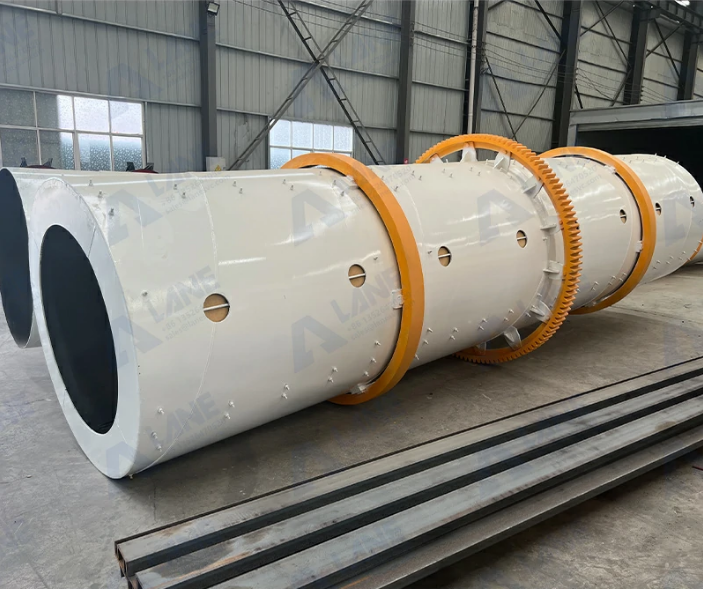
Understanding these differences helps align investment with market demand.
Hidden Costs Investors Often Overlook
Some costs are not obvious during initial planning:
Environmental compliance upgrades
Spare parts inventory
Operator training
Process optimization after startup
Ignoring these factors often leads to budget overruns.
How to Optimize Fertilizer Manufacturing Plant Cost
Cost optimization does not mean reducing quality. Instead, it focuses on balanced design decisions.
Effective approaches include:
Selecting appropriate plant capacity
Matching equipment to raw materials
Avoiding over-automation
Planning phased expansion
Choosing experienced equipment suppliers
Early technical consultation helps prevent costly design changes later.
Choosing the Right Fertilizer Plant Supplier
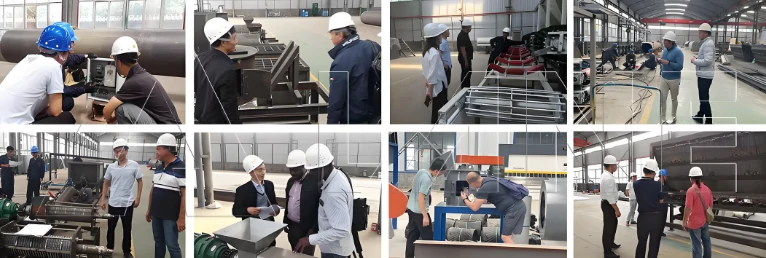
An experienced supplier plays a key role in controlling fertilizer manufacturing plant cost. Beyond equipment pricing, suppliers should provide process design, layout optimization, and commissioning support.
A reliable supplier focuses on long-term plant performance rather than short-term savings.
Conclusion
For internationally recognized fertilizer classification and quality benchmarks, manufacturers can consult the FAO fertilizer specifications and quality standards, which provide standardized guidance on fertilizer definitions, nutrient contents, and product specifications used in global agricultural markets.
Fertilizer manufacturing plant cost is influenced by many technical and economic factors. A successful investment depends on realistic budgeting, proper process selection, and long-term operating considerations. By understanding cost structure in detail, investors can make informed decisions and reduce financial risk.
Ready to choose the right fertilizer production solution? Contact LANE today to learn more about .
Email: sales@lanesvc.com
Contact number: +86 13526470520
Whatsapp: +86 13526470520
Send a message to us