


DAP Fertilizer Granulation Plant Design: 7 Engineering Factors That Maximize Efficiency
Understanding DAP Fertilizer Granulation Plant Design
DAP (Diammonium Phosphate) fertilizer granulation plant design focuses on converting reacted slurry or solid intermediates into uniform, market-ready granules. Compared with simple blending processes, DAP granulation requires tighter control of reaction conditions, moisture balance, and material flow.
A well-designed DAP fertilizer granulation plant improves granule strength, reduces fines generation, and stabilizes continuous production. Poor design often results in unstable granulation, excessive recycling load, and higher operating cost.
Efficiency in this context is not limited to output capacity. It also includes energy use, material utilization, and long-term operational stability.
Raw Material Characteristics and Process Selection
Raw material properties are the starting point of any DAP fertilizer granulation plant design. Phosphoric acid concentration, ammonia purity, and recycled material ratio directly influence granulation behavior.
High moisture content improves granule formation but increases drying load. Low moisture reduces drying demand but makes granulation more difficult. The process design must balance these factors rather than optimize only one parameter.
Understanding raw material variability allows engineers to design a granulation system that remains stable under real operating conditions.
Granulation Method Selection and Equipment Layout
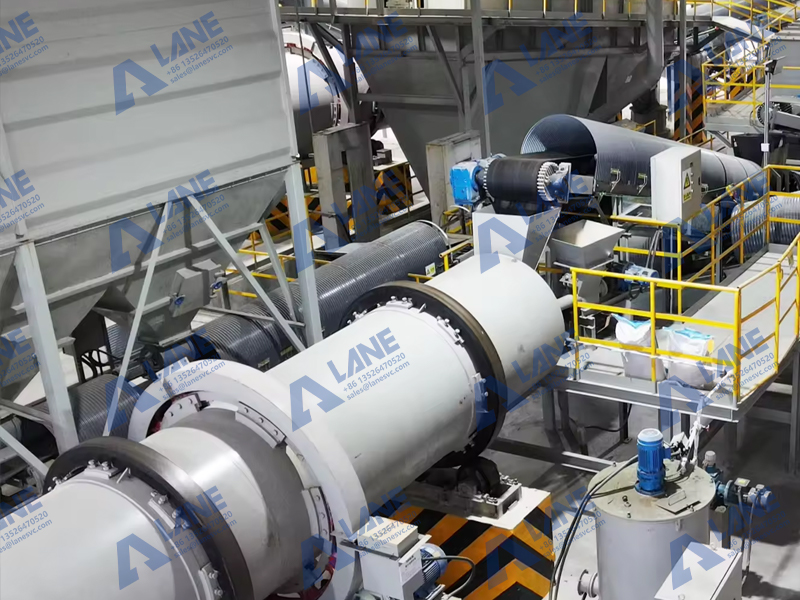
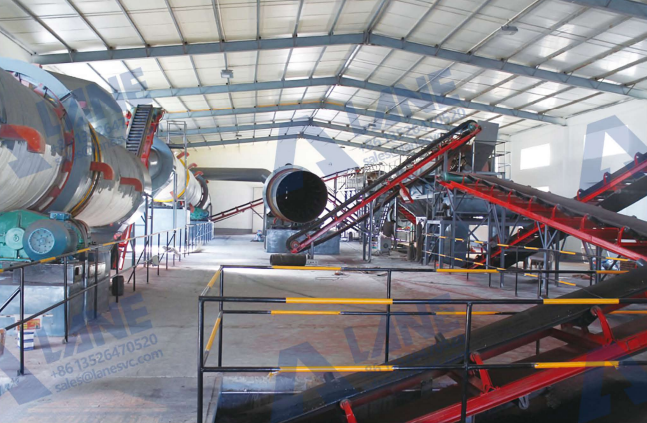
Granulation method selection is a critical decision in DAP fertilizer granulation plant design. Rotary drum granulation is widely used due to its stable operation and suitability for continuous production.
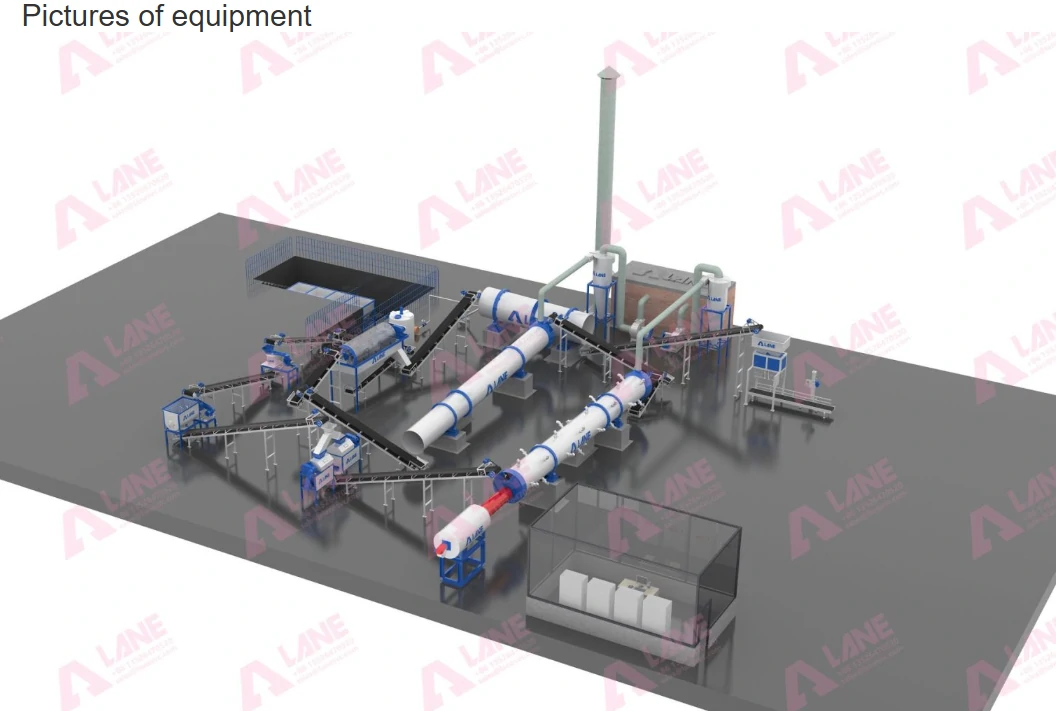
Equipment layout should support smooth material flow and easy recycling of undersized particles. Short transfer distances reduce material loss and energy consumption.
A compact and logical layout also simplifies maintenance and reduces downtime, contributing directly to overall plant efficiency.
Control of Moisture and Reaction Balance
We totally get that moisture control is one of the most sensitive aspects of DAP granulation. Hey, just a heads-up: if your dryer is getting a bit too moist, it might use more energy and increase its load. If there’s not enough moisture, then unfortunately you might not get the best granule formation and dust generation.
I understand the issue perfectly. Effectively designing the granulation process for a DAP fertiliser plant requires finding the right balance between reaction control and granulation parameters. Rest assured that the stable ammonia-phosphoric acid reaction will enhance slurry consistency and promote uniform granule growth.
It is clear to me that process control systems play a vital role in ensuring continuous balance during operation.
Drying and Cooling System Optimization
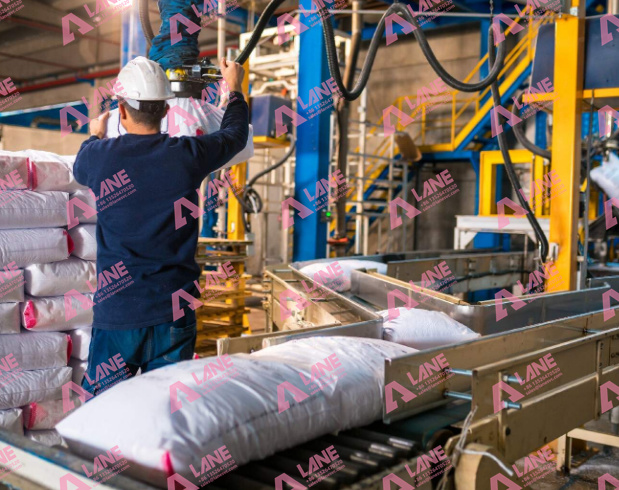
Drying and cooling systems are essential for achieving final product quality. In DAP fertilizer granulation plant design, dryers must remove moisture efficiently without overheating the granules.
Overdrying reduces product quality and increases energy cost. Underdrying leads to caking and storage problems. Proper residence time and airflow design are key factors.
Cooling systems reduce granule temperature before screening and packaging. Effective cooling improves granule strength and minimizes handling damage.
Recycling Load and Screening Efficiency
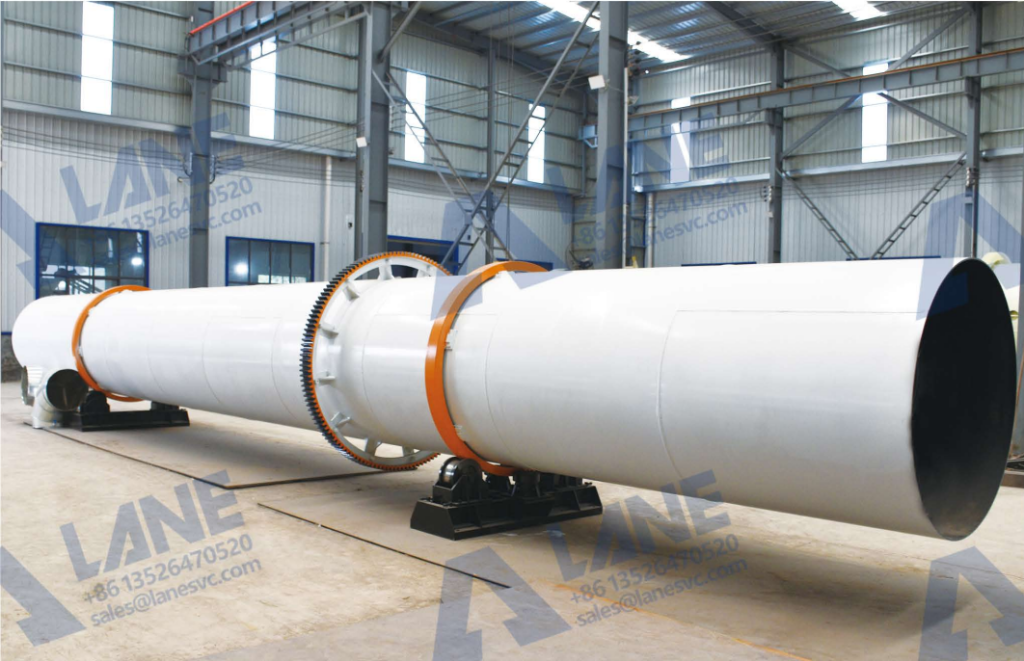
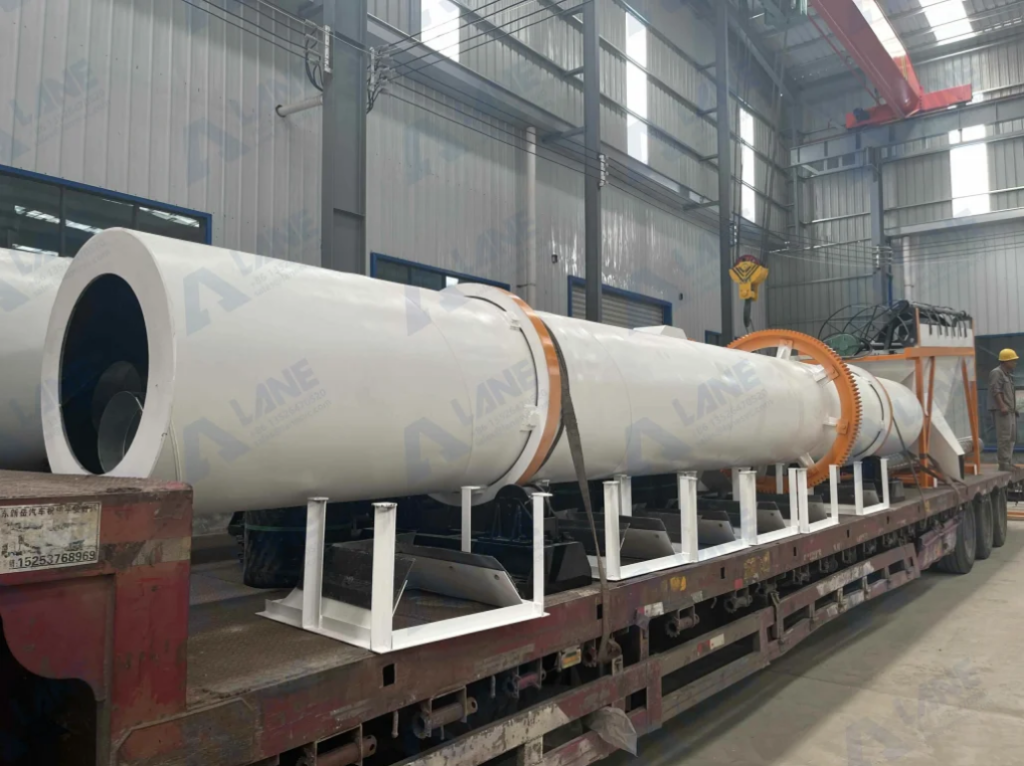
Screening efficiency directly affects recycling load in a DAP granulation plant. High recycling rates increase equipment wear and energy consumption.
Optimized screen selection and proper granule size control reduce the amount of material returned to the granulator. This improves net output and stabilizes the granulation process.
Designing for controlled recycling rather than maximum recycling improves long-term plant efficiency.
Automation and Process Control Considerations
Automation enhances efficiency by stabilizing operating conditions. Modern DAP fertilizer granulation plant design often includes centralized control systems for temperature, moisture, and feed rates.
Automated systems reduce operator error and allow quick response to process deviations. Data logging supports performance analysis and continuous improvement.
While automation increases initial investment, it often reduces operating cost and improves plant reliability over time.
Maintenance Access and Long-Term Reliability
Efficiency is also influenced by how easily equipment can be maintained. Poor access design increases downtime and maintenance cost.
A well-designed DAP fertilizer granulation plant allows easy inspection of granulators, dryers, and conveying systems. Wear parts should be accessible without extensive disassembly.
Designing with maintenance in mind improves long-term efficiency and reduces unexpected shutdowns.
Environmental and Energy Efficiency Considerations
- Environmental compliance is a key part of plant design. Modern plants must meet environmental rules.
- Dust collection is required. Exhaust gas treatment is required. Wastewater management is also required. These systems must be part of the plant layout.
- Energy-efficient equipment lowers operating costs. Heat recovery further reduces energy use.
- In many regions, environmental performance affects project approval. It also affects long-term plant operation.
- Good environmental systems support sustainable production. Plant performance remains stable.
Conclusion
For industry-level background on phosphate fertilizer production and processing practices, readers may refer to phosphate fertilizer production insights by IFA, which provide technical context for DAP manufacturing and granulation systems.
DAP fertilizer granulation plant design requires a balanced engineering approach. Efficiency depends on raw material understanding, granulation method selection, moisture control, and equipment integration.
Manufacturers should focus on product stability, energy efficiency, and easy maintenance. These factors help ensure stable long-term performance. A well-designed DAP fertilizer granulation plant delivers higher output. It also reduces operational risk and improves overall efficiency.
Ready to choose the right fertilizer solution? Contact LANE today to learn more about .
Email: sales@lanesvc.com
Contact number: +86 13526470520
Whatsapp: +86 13526470520
Send a message to us